
‘Caller said he was from CM office’: UP MLAs get crash course in cybersecurity
10849711 speakers
- ✓10849711 speakers
- ✓With over 15 years of experience in mainstream journalism, she has built a formidable reputation for her on-ground reporting across Uttar Pradesh.
- ✓Civic Domain: Categorized under states public notices.
What should an MLA do when an objectionable or fake post goes viral? Ignore it, respond to it — or simply block it? What to do if a fraudulent caller claims to be from a high-ranking office in the government or the party?
How to secure your phone when in public? Uttar Pradesh legislators got the answers during a workshop on cybersecurity: don't react in haste; learn how to block negative, objectionable or unnecessary posts and protect your digital footprint.
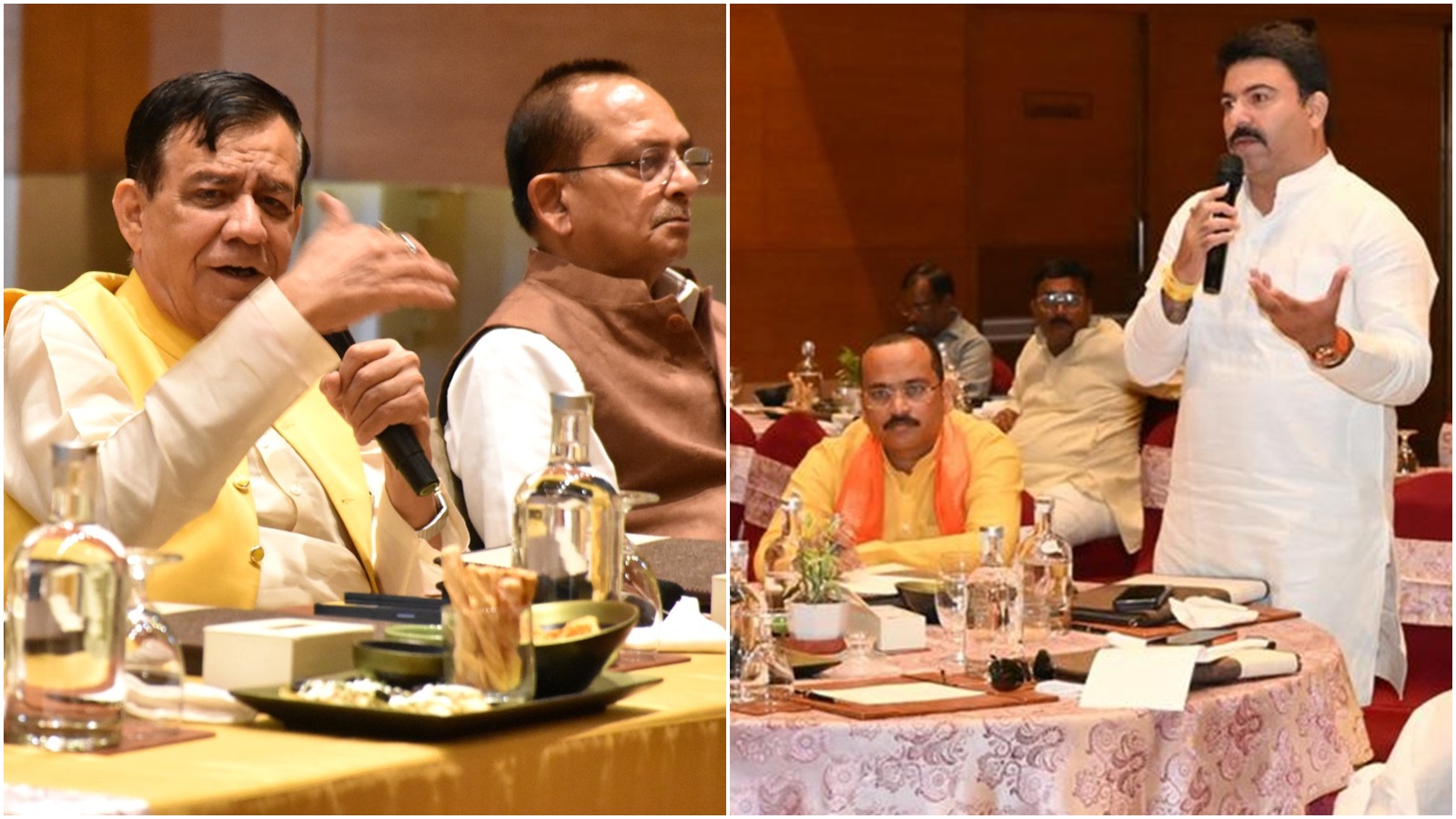
The four-day workshop, titled “Cyber Security: A Digital Security Briefing for Legislators”, ended on Tuesday in Lucknow. During the workshop, the legislators shared how they were vulnerable to cyber fraud, and they were in turn told that while social media has become an important tool for elected representatives to communicate with people, they should exercise “restraint” and remain “vigilant”.
According to officials, MLAs were told that they should not treat every piece of information appearing on social media as genuine, and if they encounter negative, objectionable or unnecessary posts, the advice was not to engage with such content but to block them immediately.
An MLA who participated in the workshop told The Indian Express that the session highlighted growing risks around phone tracing, WhatsApp hacking, fake social-media identities, deepfakes and online financial fraud, particularly with elections approaching.
“The message was as much about protecting legislators' public image as it was about maintaining the dignity of the legislature,” an MLA said. “The workshop was very meaningful and practical. We were given information about basic precautions, including two-factor authentication of social media accounts, and soon an SOP is also expected to be provided to us so that legislators know what to do in case of a cyber incident,” Apna Dal legislator Dr Surabhi said.
Officials said that the workshop went beyond dealing with online criticism, as cyber expert Amit Dubey informed legislators that cybercriminals were often not just interested in bank accounts and mobile phones but also in how public representatives' digital identities, social media accounts, and public image could become targets.
MLAs were cautioned about suspicious links, unknown calls, fake messages, misleading social media posts and seemingly attractive online offers. “There is a lack of awareness about how easily information can be misused. We were surprised to learn that, with a mobile number or social media account, if not properly secured, a person can potentially be traced.
Even details such as which hotel or vehicle has been booked or places visited can become accessible,” the MLA said. Another MLA said the workshop also focused on the security of WhatsApp and other social-media accounts. “WhatsApp can be hacked, Facebook and other personal details can be accessed, and fake IDs can be created.
Photographs, videos and even voices can be manipulated through deepfake technology. Messages can also be encrypted, so we need to be much more careful about what we share and whom we trust,” the MLA said. The participants said some of the legislators shared instances of financial fraud, while others spoke about calls purportedly made from government and political offices by the scammers.
One of the MLAs from eastern UP also expressed concern about the changing profile of cyber fraudsters, warning that young people in smaller towns and semi-urban areas are increasingly getting involved in such crimes. “Cyber scammers are often young people, and such activities are increasingly being seen in small towns and other places.
The experts explained how suspicious apps can be identified and how their status and social media accounts can be checked if they are red-flagged,” the MLA said. Participating MLAs told The Indian Express that Dubey also explained basic safeguards such as strong passwords, two-factor authentication for WhatsApp, and also assisted them to put it in their phones, regular security checks, and immediate reporting of fake profiles.
Maulshree Seth is an Assistant Editor with The Indian Express, based in Lucknow. With over 15 years of experience in mainstream journalism, she has built a formidable reputation for her on-ground reporting across Uttar Pradesh.
Her expertise spans a wide array of critical beats, including state politics, governance, the judiciary, and rural development. Authoritativeness Maulshree’s work is characterized by depth and historical context. Her coverage of high-stakes state elections and landmark judicial rulings has established her as an authoritative voice on the intersection of law and politics in Northern India.
She is frequently recognized for her ability to gain access to primary sources and for her nuanced understanding of the socio-economic factors that drive the world's most populous sub-national entity. Trustworthiness & Ethical Journalism Her reporting is rooted in rigorous fact-checking and a steadfast dedication to neutral, unbiased storytelling.
By prioritizing field-based verification—often traveling to the most remote corners of the state—she ensures that her readers receive a truthful and comprehensive view of events. ... Read More
- •Aspirants and citizens are advised to monitor official notices and circulars issued by Uttar Pradesh State Bureau (Lucknow).
- •Verify all prescribed eligibility criteria, cutoff dates, and authenticated document requirements prior to formal submissions.
- •Track connected examination timetables, vacancy advisories, and administrative gazettes on SuchnaSetu.
| Issuing Authority | Uttar Pradesh State Bureau (Lucknow) |
|---|---|
| Topic Category | STATES |
| Jurisdiction | UP State |
| Publication Date | 26 August 2026 |