
‘Cream from Pakistan’: Kerala begins crackdown after fairness product lands teen in hospital
10973865 Kerala (1)
- ✓10973865 Kerala (1)
- ✓“One friend suggested a cream and in one month, the result was really visible.
- ✓“Initially, it was a urinary infection… further examinations were held.
- ✓The Minamata convention also prohibits the manufacture, import, and export of products exceeding the 1 ppm limit.
After a 17-year-old girl landed in hospital with a serious kidney disease following the application of a fairness cream with an alarming level of mercury, Keralam health minister K Muraleedharan on Sunday ordered stringent action against the sale of illegal cosmetic products, protein powders, and vloggers who promote such products through social media.
He also said that some of these creams were making their way to India from Pakistan. This comes after the Malappuram teenager, now out of hospital, said she had used the product after paying heed to a vlogger. The girl told mediapersons that she had complained to the police against the 'FTUNE' fairness cream that she had used, leading to kidney issues that were later diagnosed as Membranous nephropathy.
“I had used the product after a vlogger promoted it. Many of my classmates are using it and I have alerted them against the use of the particular product, which I have purchased online,” she said at a conference organised at Malappuram Press Club.
“The hospital where I was treated had sent the samples of FTUNE for testing and had found it contains mercury beyond the permissible level. Although I have regained health after treatment, I am now suffering from memory loss and sleep deprivation,” she said.
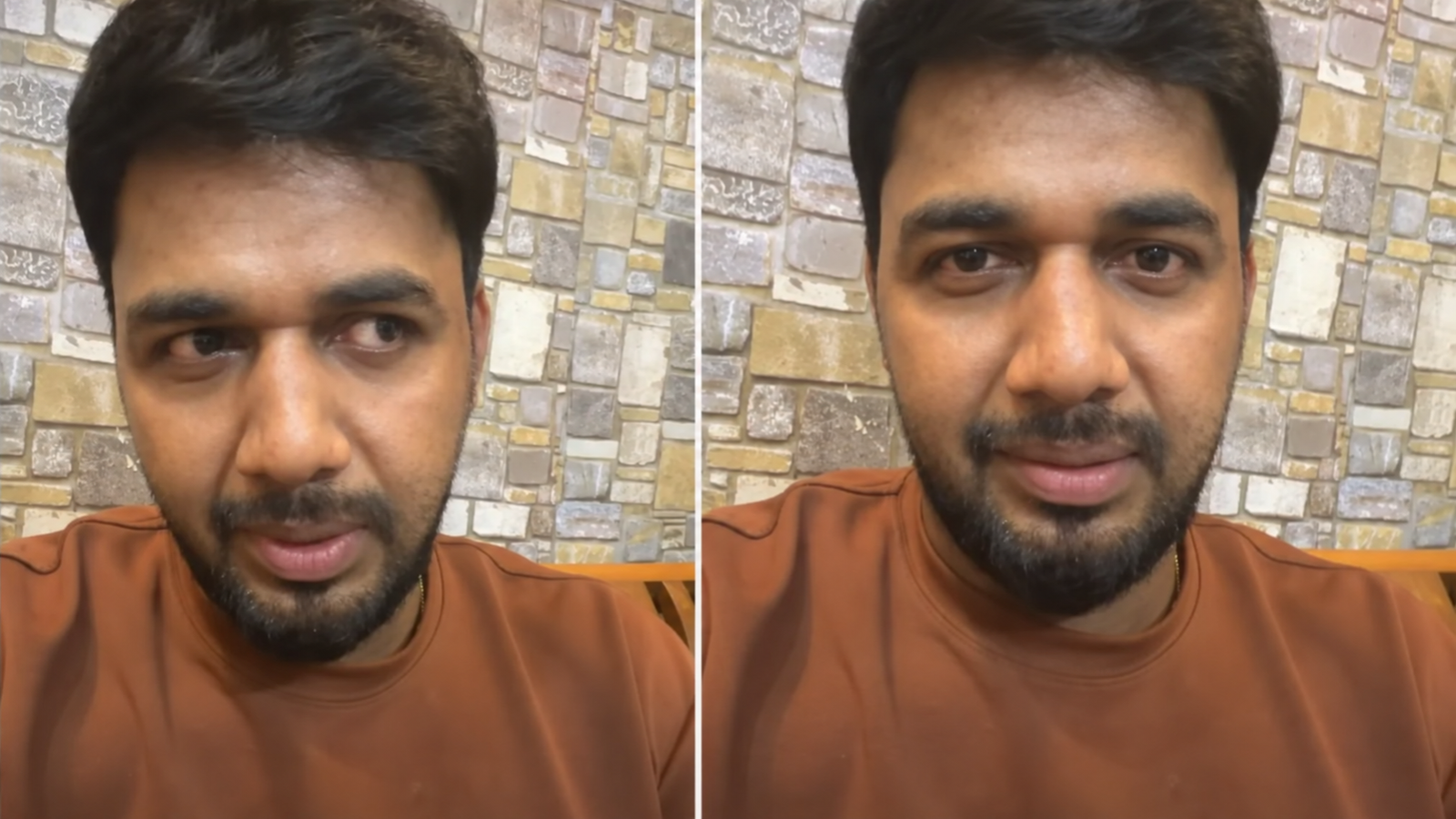
Meanwhile, singer Salim Kodathoor said he had suffered from the same disease after using a fairness cream, which contained high levels of mercury. “One friend suggested a cream and in one month, the result was really visible.
Friends asked me about the magic behind my fair skin. But within a month, issues started cropping up,” the singer, also from Malappuram, said in a video released on social media. “Initially, it was a urinary infection… further examinations were held.
In the meantime, swelling started appearing in various parts of the body. Doctor said there was loss of protein and a test attributed this to high levels of mercury in the cream. I am yet to fully recover from the health issues,” he said without revealing the name of the cream.
In an official statement, Muraleedharan said the state drugs controller has been directed to conduct raids in all districts against the sale and online promotion of illegal cosmetic products. “Licences of institutions or shops selling illegal products will be cancelled permanently.
That apart, they will face criminal proceedings. The action will cover fairness products, creams claiming to improve skin complexion and beauty, and other cosmetic products,’’ he said. The minister said, “It has come to the notice that illegal cosmetics and health products are reaching Keralam through online channels, particularly through networks operating in the Mangaluru-Kasaragod region.
There are serious concerns regarding the source, quality and safety of these products. Some products reportedly entering the market through Pakistan do not even carry basic details such as the manufacturer's name, date of manufacture and expiry date.
The department has been directed to identify and take action against the distribution networks involved.’’ Earlier this month, Madhya Pradesh had begun a crackdown on Pakistan-made whitening creams across the state, directing its police to probe their supply connections, even as the Food and Drug Administration (FDA) issued a statewide public health advisory against them.
According to sources at the hospital where she was admitted, the girl had developed swelling on the body (edema) and related symptoms. Laboratory examinations revealed that mercury was present in the blood at a highly abnormal level.
Further investigation showed that the patient had been using a fairness cream for the last one year and the product contained mercury at an alarming level. She had procured the cream from an online marketplace, said hospital sources.
Under India's Cosmetics Rules, 2020, finished cosmetic products other than those intended exclusively for the eye area must not contain more than 1 parts per million (ppm) of unintentional mercury. In the heavy metal analysis, the product used by the Malappuram girl was found to contain mercury at a concentration of 1.25 per cent, equivalent to 12,500 ppm, hospital sources said.
As per medical research, the disease, caused by mercury exposure, is classified as secondary membranous nephropathy. The main symptom of the disease is excess protein in urine due to kidney damage. This leads to swelling of the body.
Membranous nephropathy is a condition in which the immune system damages the glomeruli, the tiny filtering units of the kidneys. The resulting injury allows proteins, particularly albumin, to escape into urine. Patients can develop nephrotic syndrome, characterised by excessive protein loss, low levels of albumin in the blood and swelling of the face, feet and other parts of the body.
In severe or untreated cases, the disease can progress to chronic kidney disease and even kidney failure. The US Food and Drug Administration (FDA) and Minamata Convention on Mercury have set limits of 1 ppm of mercury for cosmetics, including skin-lightening creams.
The Minamata convention also prohibits the manufacture, import, and export of products exceeding the 1 ppm limit. In 2018, India also became part of the Minamata Convention on mercury. The convention is a multilateral environmental agreement, which addresses issues related to mercury, health hazards, and pollution.
Nevertheless, these products continue being sold on e-commerce sites. Kidney disease from the use of mercury in fairness creams has been documented in Keralam in the past. A paper titled “Beautification Gone Awry: Membranous Glomerulonephritis Following Use of Skin Lightening Cream Containing Mercury” was published in the Indian Journal of Dermatology in 2022.
- •Aspirants and citizens are advised to monitor official notices and circulars issued by The Indian Express National.
- •Verify all prescribed eligibility criteria, cutoff dates, and authenticated document requirements prior to formal submissions.
- •Track connected examination timetables, vacancy advisories, and administrative gazettes on SuchnaSetu.
| Issuing Authority | The Indian Express National |
|---|---|
| Topic Category | HEALTH |
| Jurisdiction | All India / National |
| Publication Date | 22 November 2026 |