
‘Impatient for profitability’: Air India CEO wants more wide-body aircraft
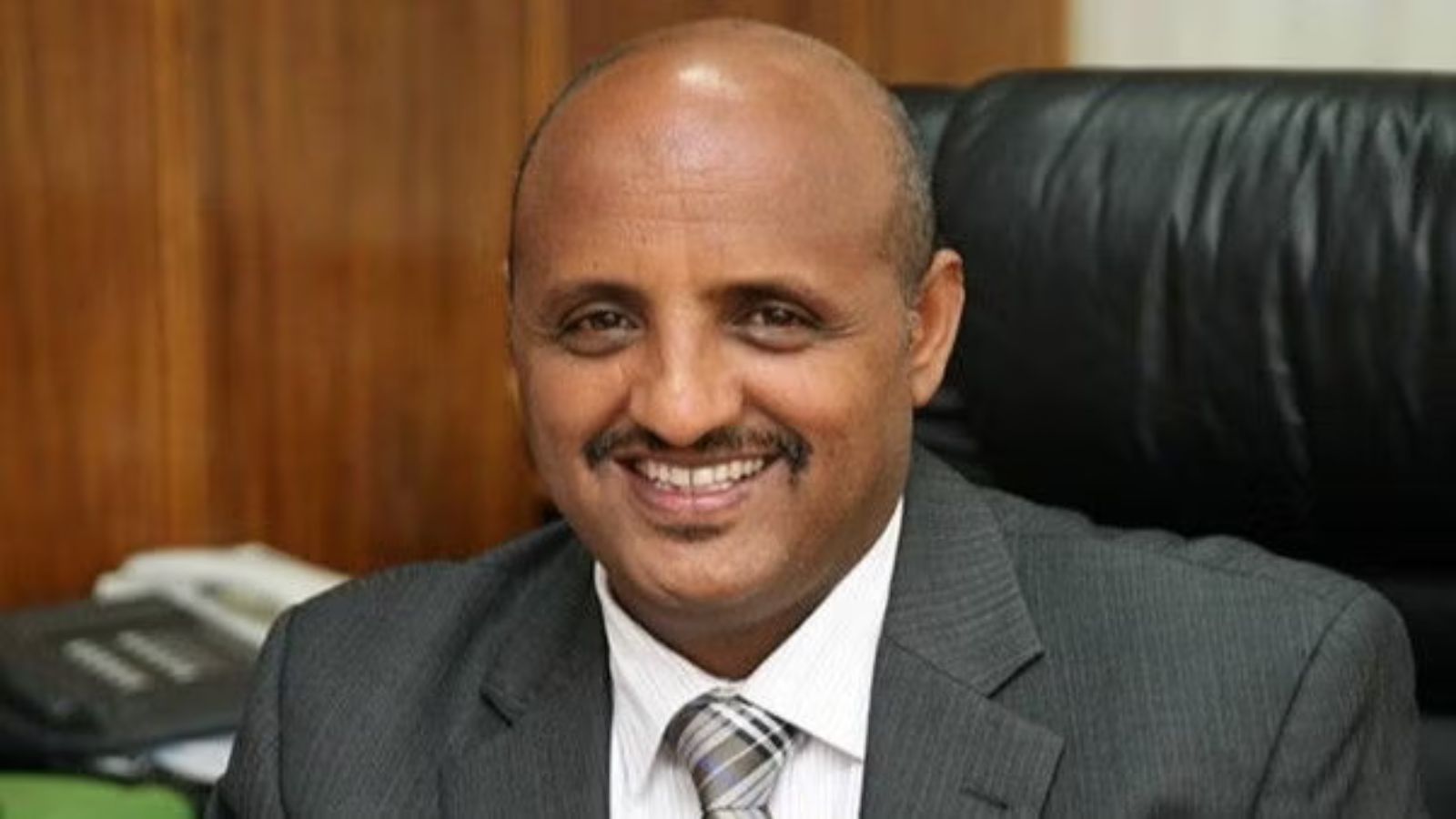
10948809 air india ceo
- ✓10948809 air india ceo
- ✓A year after returning to the Tata fold, Air India placed orders with Airbus and Boeing for 470 aircraft.
- ✓Thereafter, it expanded the total order size to 600 aircraft, including 80 wide-body jets that are usually used to operate long-haul flights.
- ✓Of the 80 wide-bodied planes on order, about 10 have been delivered so far.
Tata group airline Air India is looking to order more wide-body aircraft as it wants to boost its international operations, claw back international market share from overseas carriers, and increase volumes of international-to-international connecting passengers as part of its long-term strategy, the airline’s CEO and MD Tewolde Gebremariam said Tuesday.
On the current challenges due to airspace closures and geopolitical conflicts, the Air India CEO said that the airline is looking to rebalance its network and hubs to make international operations more efficient and competitive.
Gebremariam, who took over the reins at Air India last month, also said that he is focussed on making the loss-making airline a profitable business, and expressed hope that profitability will come “very soon” through a combination of revenue growth and enhanced efficiencies on the cost side.
“We're talking to them (Airbus and Boeing). We want to increase our order of wide-bodies…our network, our strategy demands more,” the Air India CEO said, adding that the airline as well as its shareholders — Tata and Singapore Airlines — are taking a long-term view on the carrier’s growth, and are confident of building it into a large world-class airline.
A year after returning to the Tata fold, Air India placed orders with Airbus and Boeing for 470 aircraft. Thereafter, it expanded the total order size to 600 aircraft, including 80 wide-body jets that are usually used to operate long-haul flights.
Of the 80 wide-bodied planes on order, about 10 have been delivered so far. Air India currently has an operational wide-body fleet of 61 aircraft. “Right now, our immediate focus is to regain (international) market share from the competition…we will work very hard to regain that market,” Gebremariam said, adding that the large Indian diaspora all over the world alone is a significant market segment for Air India.
According to him, the airline is also focussing on increasing international-to-international connecting traffic, which would require a large wide-body fleet. He also said that India can develop not one but multiple large hub airports to not just cater to passengers flying to and from India, but even beyond.
India is currently the world’s third-largest aviation market after the US and China, and is also among the fastest-growing major aviation markets globally. India’s aviation establishment wants to see homegrown carriers dominate international passenger traffic from and to India and major Indian airports transform into international hubs competing with major Asian hubs like Dubai, Doha, Kuala Lumpur, and Singapore.
Major international hubs in West Asia and Southeast Asia have been major connecting points for a substantial number of Indians taking long-haul international flights, with their home carriers having a notable share of India’s international passenger pie.
But with two well-capitalised and growth-oriented airline groups in India now, the effort is to claw back that market share with more direct long-haul flights. Given the Pakistani airspace closure and airspace disruptions in the Gulf region due to the West Asia war, Air India is looking to rebalance its network and flight distribution between its Delhi and Mumbai hubs.
Delhi is Air India’s primary hub, but has been impacted due to the airspace-related issues to the west of India. According to Gebremariam, the airline is now looking to have a larger concentration of flights to Europe and North America from Mumbai, as routes from there are not as significantly impacted by airspace disruptions.
On the other hand, geographies unaffected by airspace issues — like Southeast Asia, East Asia, Australia — could see growth in operations from Delhi. Air India is also looking at building Bengaluru as a third hub, he said.
On profitability, the new Air India CEO quipped that he is more impatient to see a profitable Air India than the airline’s shareholders. Noting that high costs is a major concern for Air India, Gebremariam said that he is laser-focussed on reducing costs and driving efficiencies.
Since taking charge, Gebremariam has already set up a cross-functional cost-savings team and announced some cost-optimisation measures. He is also actively pursuing deeper integration and operational synergy between Air India and its budget airline Air India Express to curb widening financial losses.
In the face of various challenges — which include external headwinds like airspace closures and surging jet fuel prices, as well as the impact of last year’s devastating crash of flight AI 171 — Air India posted a consolidated loss of over Rs 22,000 crore in 2025-26, more than double of its loss in the previous financial year.
Amid the crises, Air India is also seeking about $1.5 billion from shareholders Tata Sons and Singapore Airlines, it is learnt. Gebremariam has taken over the reins at Air India at a crucial juncture for the airline, which faces various challenges while pursuing a highly ambitious transformation programme.
Earlier in his career, the aviation veteran oversaw one of most successful long-term transformations in the industry. Under his leadership, Ethiopian Airlines transformed into a global airline and the largest carrier in Africa, and turned Addis Ababa into a major aviation hub.
Gebremariam has a track record of driving sustained profitability while navigating complex economic cycles and dynamic and challenging global markets — experience that is particularly relevant for Air India. He will be steering the loss-laden airline through the next phase of its transformation programme.
Under outgoing CEO Campbell Wilson — Air India’s first post-privatisation chief executive — the carrier embarked upon a journey to shrug off its legacy image of a rundown government-owned airline. Despite numerous challenges, the foundational parts of its transformation plan have already been executed under Wilson’s watch.
A new brand identity is in place, group airlines have been...
- •Aspirants and citizens are advised to monitor official notices and circulars issued by Indian Express Economy & Markets.
- •Verify all prescribed eligibility criteria, cutoff dates, and authenticated document requirements prior to formal submissions.
- •Track connected examination timetables, vacancy advisories, and administrative gazettes on SuchnaSetu.
| Issuing Authority | Indian Express Economy & Markets |
|---|---|
| Topic Category | BUSINESS |
| Jurisdiction | All India / National |
| Publication Date | 3 November 2026 |