
AI can create original work but can’t be its author, Copyright Office holds
10858241 Photo - 2026-09-01T113011.716
- ✓10858241 Photo - 2026-09-01T113011.716
- ✓Thaler has so far approached 16 jurisdictions worldwide seeking DABUS’s copyright over the artwork.
- ✓In March 2025, a US court refused his application saying the US Copyright Act requires human authorship.
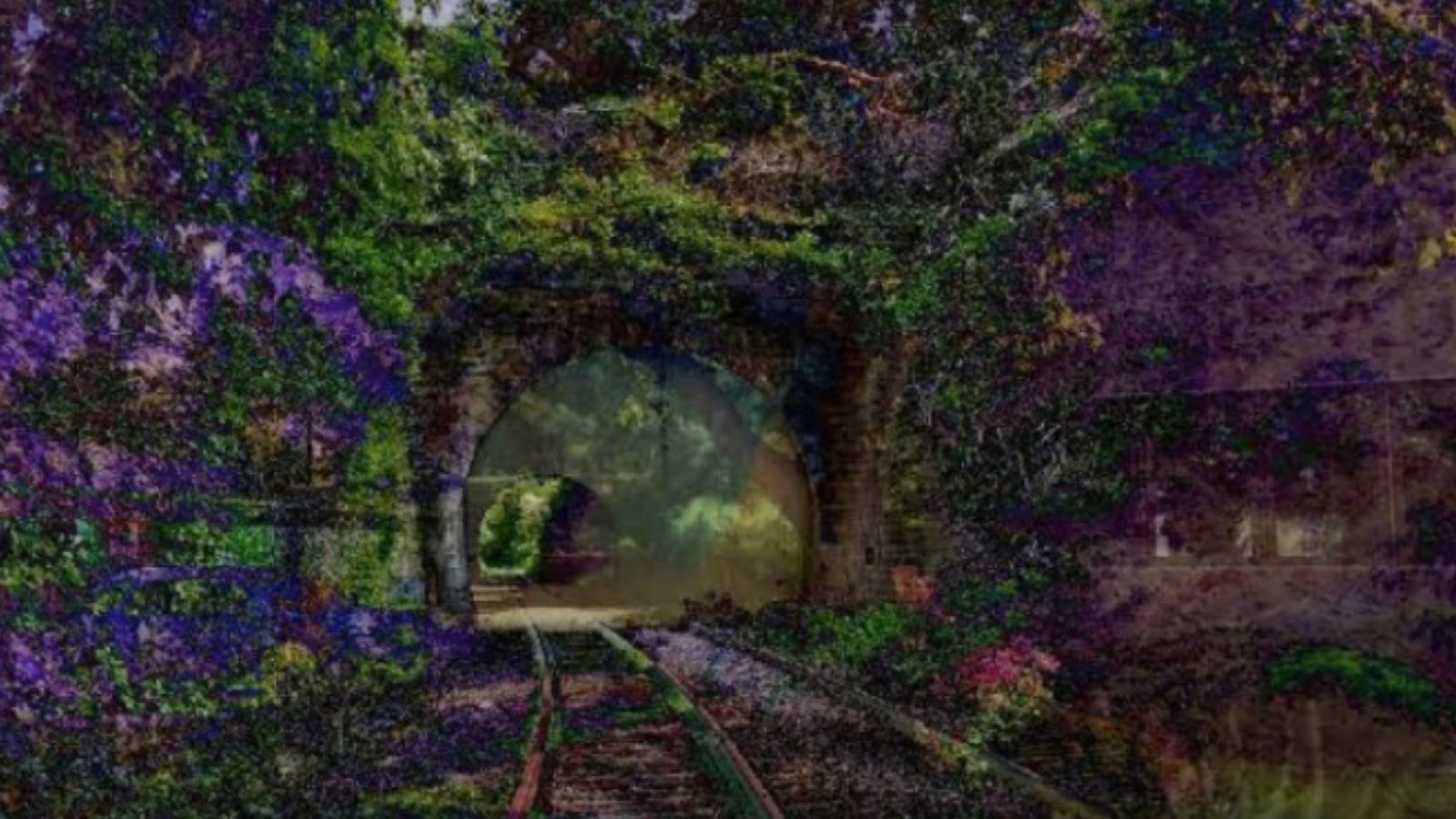
An Artificial Intelligence (AI) system cannot be named the author of something it creates. But the work itself can be protected by copyright law, according to the Copyright Office. The finding came in a case involving US AI researcher and Imagination Engines CEO Stephen Thaler, who sought copyright registration for an artwork — ‘A Recent Entrance to Paradise’ — generated by his AI system DABUS.
Thaler has so far approached 16 jurisdictions worldwide seeking DABUS’s copyright over the artwork. In March 2025, a US court refused his application saying the US Copyright Act requires human authorship. On Monday, the Copyright Office, under the Ministry of Commerce and Industry, primarily emphasised that the provisions of the Copyright Act identifies an ‘author’ as a “person” — that is a human being — who causes the work to be created.
The law, it said, “distinguishes between the technological mechanism through which the output is generated and the legally recognised person to whom authorship is attributed”. The decision comes months after the Delhi High Court in April had directed the Office to decide on whether an AI system can claim sole authorship over a work created using the system.
The artwork was generated by DABUS, short for Device for the Autonomous Bootstrapping of Unified Sentience, an AI system developed by Thaler. The authorship, in the application, was solely attributed to DABUS. Thaler, through his advocate Ankit Sahni, had argued that once DABUS was configured and trained through visual and linguistic inputs, the final artwork was generated through the AI’s internal operational process without real-time human intervention and any text prompt.
He said the “final form, composition and expression of the artwork were created by DABUS itself”. Thaler argued that he wanted DABUS to be attributed as the sole author, not to give the AI system legal personality or independent enforceable rights, but to accurately record how the artwork was created.
“Transparency requires the Register to reflect the actual mode of creation,” he said. In an order deciding the issue, Registrar of Copyright, Prof (Dr) Unnat Pandit, held that the standalone artwork can be considered “original” as there is “no clear material on record to prove that the work was copied from some specific source or some other work”.
He said it “possesses sufficient independently generated expressive character to cross the limited threshold”. The Copyright Office, however, drew a line on copyright protection available to the system generating the creative output.
Rejecting Thaler’s application, it said, “The fact that a system operates autonomously after being configured does not alter the identity of the person responsible for bringing the work into existence. Autonomy in execution is not synonymous with conception of a work.”
- •Aspirants and citizens are advised to monitor official notices and circulars issued by Delhi NCR Civic & Governance.
- •Verify all prescribed eligibility criteria, cutoff dates, and authenticated document requirements prior to formal submissions.
- •Track connected examination timetables, vacancy advisories, and administrative gazettes on SuchnaSetu.
| Issuing Authority | Delhi NCR Civic & Governance |
|---|---|
| Topic Category | STATES |
| Jurisdiction | DL State |
| Publication Date | 1 September 2026 |