
Akharas, antique maces: Bengaluru exhibit brings traditional Indian wrestling to life
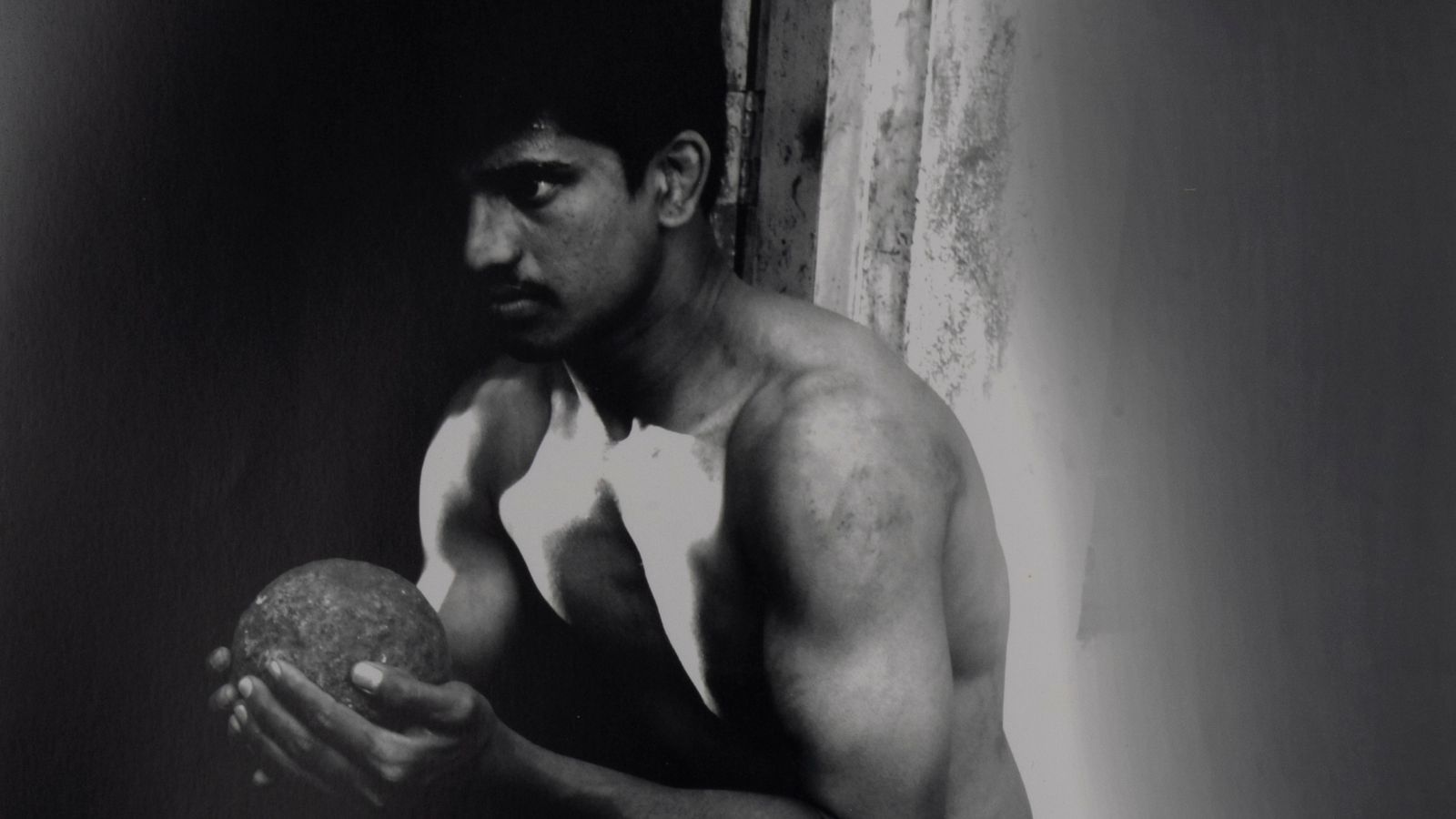
10852456 Bengaluru wrestling exhibit
- ✓10852456 Bengaluru wrestling exhibit
- ✓For example, a 130-year-old Akhara in Bengaluru, the Blackpalli Dilcheer Taleem, faced financial issues until they started selling biryani in the afternoons.
- ✓'Grip, Hold, Pin' is free to visit at the museum until November 1, except on Mondays, when the museum is closed.
Wrestling is one of the few ancient sports found across the globe. Though the sport has evolved to incorporate arenas, mats, and advanced protective gear, a traditional form still exists in India. Here, wrestlers compete on soft mud floors, preserving the centuries-old practice.
The traditional forms of Indian kushti, mud wrestling, are an important part of a living cultural history that preserves older traditions, even as Olympic-style mat wrestling gains popularity around the world. This rich heritage is showcased in the newest exhibit, 'Grip, Hold, Pin' at Bengaluru's Museum of Art and Photography, featuring these wrestlers and their artistry.
The exhibit aims to explore the living culture of traditional Indian wrestling by showcasing high-end contemporary photography alongside antique artefacts and artwork. The depiction of these wrestlers in various media and their presence in the minds of those observing Indian culture is nothing new.
Take the textile stamps on display at the exhibit, for example: at the height of the British Raj, these stamps served as an archaic form of copyright for authentic textiles. The tickets proliferating throughout the Manchester textile industry often featured motifs depicting the most iconic aspects of Indian culture that stuck in the foreign mind, such as the art of gods and goddesses or even magnificently dressed maharajas.
That wrestlers ranked amongst these indicates the cachet they had in the Indian culture of that time. The display includes traditional training implements used by Indian wrestlers over the centuries. Among these are the meel, or mace, the well-known jori clubs that are often swung during training exercises, and stone weights that help build strength.
The items on display are probably around a century old, dating back to the late 19th or early 20th century. Notably, the ceremonial maces and clubs used by traditional wrestlers from decades past are particularly striking.
The core of the new exhibit is dedicated to the work of contemporary photographers tackling different aspects of wrestling. One of these is a series of photographs assembled over a decade titled 'Champion' by photographer Prarthna Singh, focusing on the women who have been amongst the greatest success stories of modern Indian wrestling.
Singh said in a statement, "Champion has always been about looking beyond the wrestling mat. I'm interested in the lives, aspirations and quiet resilience of the women I photograph, and in how sport becomes a space for identity, possibility and change.
I hope that the photographs which are a part of the exhibition invite viewers to see strength not only in competition, but also in everyday acts of courage." Another series, by Indrajit Khambe, focuses on the life of the akhara that is not just related to wrestling – perhaps the living space of these wrestlers, or the mud-stained walls with finger marks and graffiti.
Khambe said in a statement, "For me, wrestling has never been just about competition. It is a way of life shaped by discipline, community and generations of shared tradition……I hope to preserve not only the physicality of the wrestlers, but also the cultural world that continues to sustain them.” However, the primary issue facing many akharas today is economic.
There is little in the way of state support for these older forms of wrestling. For example, a 130-year-old Akhara in Bengaluru, the Blackpalli Dilcheer Taleem, faced financial issues until they started selling biryani in the afternoons.
For those who have more interactive preferences, this exhibit also has something to offer. It features a card game for two or three players that also educates players about the lives of wrestlers. If a visitor wants to pit their strength against the traditional wrestlers of India, a traditional weight attached to a rope provides an opportunity.
Several QR codes around the gallery also provide audio narration and context for the displays. 'Grip, Hold, Pin' is free to visit at the museum until November 1, except on Mondays, when the museum is closed.
- •Aspirants and citizens are advised to monitor official notices and circulars issued by Karnataka State Bureau (Bengaluru).
- •Verify all prescribed eligibility criteria, cutoff dates, and authenticated document requirements prior to formal submissions.
- •Track connected examination timetables, vacancy advisories, and administrative gazettes on SuchnaSetu.
| Issuing Authority | Karnataka State Bureau (Bengaluru) |
|---|---|
| Topic Category | STATES |
| Jurisdiction | KA State |
| Publication Date | 27 August 2026 |