
Beyond MSP: Patiala farmer turns wheat, paddy into a Rs 1.5-crore seed enterprise
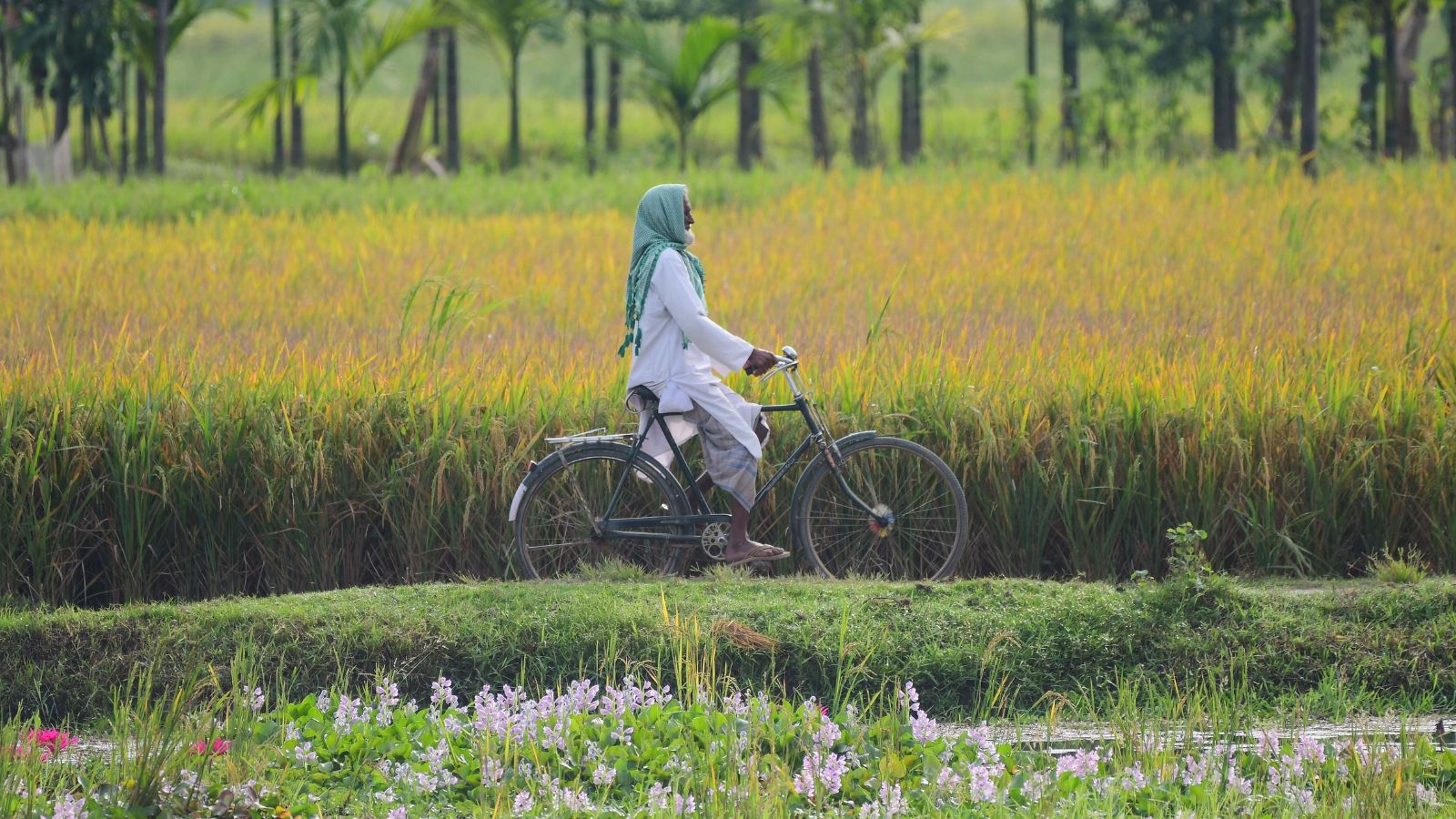
10963345 Paddy fields
- ✓10963345 Paddy fields
- ✓His wheat seed fetches around Rs 4,000 a quintal, compared with the MSP of Rs 2,610 — a premium of nearly 53 per cent.
- ✓His farm, built around seed production, crop diversification and direct sales, now generates an annual turnover of more than Rs 1.50 crore.
- ✓His journey began in 2000 when he began producing sugarcane planting material before expanding into wheat and paddy seed production in 2015.
For millions of farmers in Punjab, wheat and paddy are crops of assured returns. With government agencies procuring the two crops at the minimum support price (MSP), they offer farmers a dependable market. Kulwinder Singh, 56, of Mardanpur village in Rajpura tehsil of Patiala district, however, has found a way to earn substantially more from these very crops by selling most of his wheat and a part of his paddy produce as seed directly to fellow farmers.
His wheat seed fetches around Rs 4,000 a quintal, compared with the MSP of Rs 2,610 — a premium of nearly 53 per cent. His farm, built around seed production, crop diversification and direct sales, now generates an annual turnover of more than Rs 1.50 crore.
He says he is able to retain more than half of the turnover as earnings after meeting cultivation, labour, machinery and infrastructure costs. His journey began in 2000 when he began producing sugarcane planting material before expanding into wheat and paddy seed production in 2015.
Over the years, his farm has evolved into a demonstration centre where farmers can see different varieties, assess their performance and buy seeds suited to their requirements. Kulwinder cultivates 100 acres of which 22 is his own and the remaining 78 acres leased at an annual cost of around Rs 40-45 lakh.
About 10 acres are under sugarcane, while the rest are used for different wheat varieties in the Rabi season and Basmati and short-duration paddy varieties during Kharif. In wheat, he grows PBW 826 and PBW 872 on around 40 acres each, besides varieties such as C-306 and Chapati Number 1, which are sought by consumers for their suitability for making chapatis.
He also processes some of the latter varieties into flour for sale. His paddy strategy is similar, though only about 20 per cent of his paddy production is sold as seed. He grows Basmati varieties such as PB 370 and Pusa 1509 on around 25 acres, along with short-duration varieties including PR-126 and CSR-30 on the remaining paddy acreage.
“I also give preference to varieties whose seed farmers can retain and use for subsequent sowing themselves, rather than having to depend entirely on fresh purchases every season,” he says. “This makes my seed business not just a source of income but also a way of making suitable varieties accessible to other growers.” Sugarcane is another part of the model.
Instead of sending the entire crop to sugar mills, he sells it as seed to farmers. He says returns from seed can be almost twice that from selling the crop to a mill, depending on the variety and market demand. He has diversified further into mustard, berseem, vegetables and other crops.
The farm's diversification extends beyond crops to water and residue management. Concerned about the water-intensive nature of paddy cultivation, Kulwinder excavated a rainwater-harvesting pond about 15 feet deep over six kanals.
It collects excess rainwater from the fields, which is later lifted for irrigation. Besides reducing waterlogging during heavy rainfall, he says the pond helps conserve water that would otherwise run off and reduces dependence on groundwater.
“Farmers should consider dedicating a portion of their land to rainwater harvesting. It can help with irrigation as well as groundwater recharge,” he says. He has also installed an underground pipeline irrigation system in place of open channels, reducing seepage and evaporation losses and delivering water directly to the fields.
For the past decade, Kulwinder has also avoided burning crop residue, using a Super Seeder and other machinery for residue management. He employs five permanent workers and another 15-20 labourers when required. His work has brought him into contact with progressive farmers and agricultural institutions, including the Innovative Farmers' Club and Punjab Agricultural University’s Kisan Club, where he shares information on seed production, crop varieties and farming practices.
Recently, PAU, Ludhiana, honoured him with the Sardar Dalip Singh Dhaliwal Memorial Award for adopting modern agricultural techniques, promoting crop diversity and protecting the environment.
- •Aspirants and citizens are advised to monitor official notices and circulars issued by Punjab & Haryana Regional Bureau (Chandigarh).
- •Verify all prescribed eligibility criteria, cutoff dates, and authenticated document requirements prior to formal submissions.
- •Track connected examination timetables, vacancy advisories, and administrative gazettes on SuchnaSetu.
| Issuing Authority | Punjab & Haryana Regional Bureau (Chandigarh) |
|---|---|
| Topic Category | POLITICS |
| Jurisdiction | PB State |
| Publication Date | 14 November 2026 |