
Doc Talk | Air Pollution Can Damage Even Healthy Lungs: Know How PM2.5 And PM10 Affect Your Respiratory Health
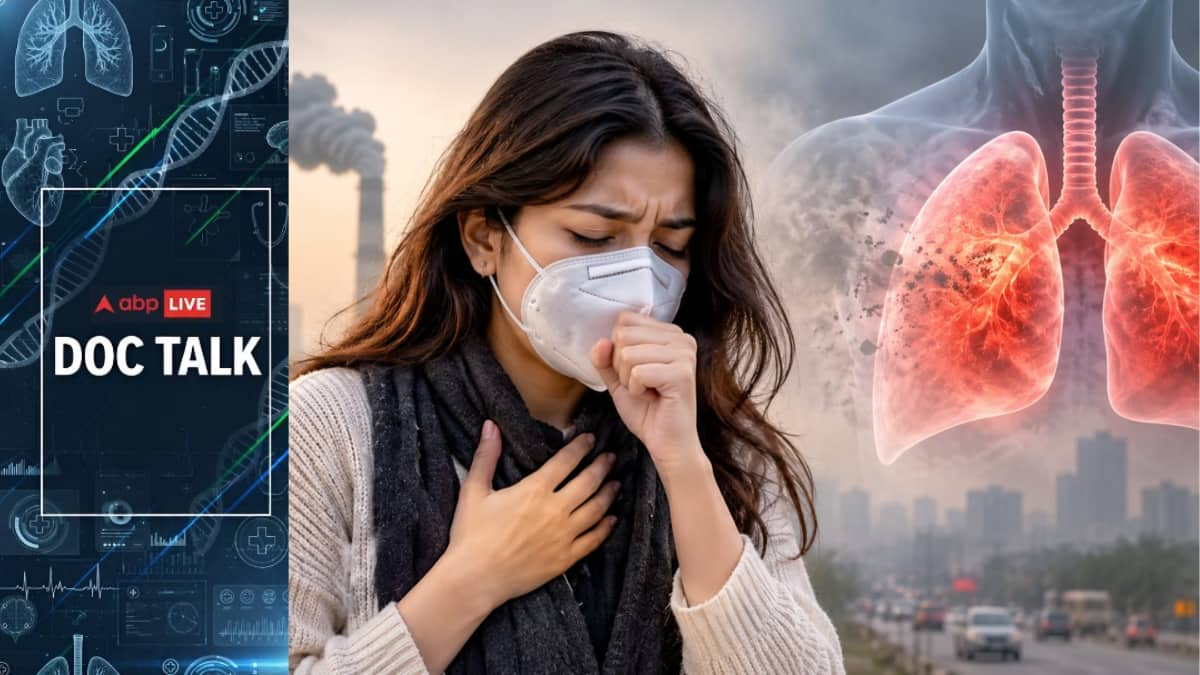
Doc Talk | Air Pollution Can Damage Even Healthy Lungs: Know How PM2.5 And PM10 Affect Your Respiratory Health
- ✓Doc Talk | Air Pollution Can Damage Even Healthy Lungs: Know How PM2.5 And PM10 Affect Your Respiratory Health
- ✓One of the major causes of respiratory damage is particulate matter, particularly PM2.5 and PM10.
- ✓Smaller PM2.5 particles can travel deep into the lungs, irritating the respiratory tract and triggering inflammation.
- ✓He has authored over 60 articles in national and international journals and presented at several prestigious global conferences.
One of the major causes of respiratory damage is particulate matter, particularly PM2.5 and PM10. These particles enter the respiratory system when we breathe. While larger particles may get trapped in the nose and upper respiratory tract, smaller particles, such as PM2.5, can travel deep into the lungs and reach the alveoli (air sacs).
These particles can irritate the respiratory tract and trigger inflammation, leading to symptoms such as persistent coughing, throat irritation, wheezing, chest tightness, and shortness of breath. Even individuals who have never experienced respiratory issues before can develop these symptoms.
Some people may also develop airway hyper-responsiveness, making them more sensitive to irritants such as dust and smoke. ALSO READ | Doc Talk | Stomach Cancer Warning Signs: When Frequent Indigestion, Bloating And Acidity Need Attention Another concern is the effect of air pollution on the lungs' natural defence mechanisms.
The respiratory system contains tiny hair-like structures known as cilia, which help clear mucus and trapped particles from the airways. Continuous exposure to pollutants can impair their functioning, reducing the lungs' ability to remove harmful particles effectively and potentially increasing the risk of respiratory infections.
ALSO READ | Doc Talk | Abdominal Epilepsy: Unusual Seizure Symptoms That May Feel Like Digestive Problems Even in the absence of immediate symptoms, prolonged exposure to air pollution can contribute to reduced lung function, persistent inflammation, and chronic respiratory problems.
Those particularly vulnerable include children, older adults, pregnant women, and individuals with weakened immune systems. Air pollution is not limited to outdoor environments. Several everyday activities and sources within our homes, including smoking, burning incense, using mosquito coils, cooking fumes, and poor ventilation, can also affect indoor air quality.
Therefore, ensuring that the air inside your home is as clean as possible is equally important. The most important preventive measure is to limit exposure. Regularly check the Air Quality Index (AQI) and avoid unnecessary outdoor activities when pollution levels are high.
Strenuous exercise outdoors should also be avoided during such periods, as faster and deeper breathing can increase the amount of pollutants inhaled. If going outside is unavoidable, wearing a well-fitted N95 mask can help reduce exposure to fine particulate matter.
Wherever possible, use an air purifier with HEPA filters to improve indoor air quality and avoid smoking inside the house. If you experience persistent coughing, unexplained shortness of breath, wheezing, or chest discomfort, seek medical advice rather than ignoring these symptoms.
It is important to remember that even healthy lungs are not immune to the effects of polluted air. Having no previous diagnosis of a respiratory condition does not mean you are protected from its harmful effects. Limiting exposure, maintaining better indoor air quality, and recognising early symptoms can help protect your respiratory health in the long run.Disclaimer: The information provided in the article is shared by experts and is intended for general informational purposes only.
It is not a substitute for professional medical advice, diagnosis, or treatment. Always seek the advice of your physician or other qualified healthcare provider with any questions you may have regarding a medical condition.
Check out below Health Tools-Calculate Your Body Mass Index ( BMI ) Yes, even individuals with healthy lungs can experience irritation, inflammation, and breathing difficulties from air pollution. It can also lead to symptoms like persistent coughing, wheezing, and chest tightness.
These particulate matters enter the respiratory system when breathed in. Smaller PM2.5 particles can travel deep into the lungs, irritating the respiratory tract and triggering inflammation. Indoor air quality can be affected by activities like smoking, burning incense, using mosquito coils, cooking fumes, and poor ventilation.
Ensuring clean indoor air is crucial for respiratory health. Limit exposure by checking the Air Quality Index and avoiding outdoor activities during high pollution. Use N95 masks when unavoidable outdoors, utilize air purifiers indoors, and avoid smoking inside your home.
Dr. Abhijeet Singh is the Associate Director and Unit Head of Respiratory Medicine and Critical Care at ShardaCare - Healthcity, with over 18 years of medical experience. His expertise includes pulmonology, interventional pulmonology, critical care, and sleep medicine.
He has authored over 60 articles in national and international journals and presented at several prestigious global conferences.
- •Aspirants and citizens are advised to monitor official notices and circulars issued by ABP News.
- •Verify all prescribed eligibility criteria, cutoff dates, and authenticated document requirements prior to formal submissions.
- •Track connected examination timetables, vacancy advisories, and administrative gazettes on SuchnaSetu.
| Issuing Authority | ABP News |
|---|---|
| Topic Category | HEALTH |
| Jurisdiction | All India / National |
| Publication Date | 20 November 2026 |