
Freeze Lok Sabha strength at 543, implement women quota on existing seats: Tamil Nadu to Centre
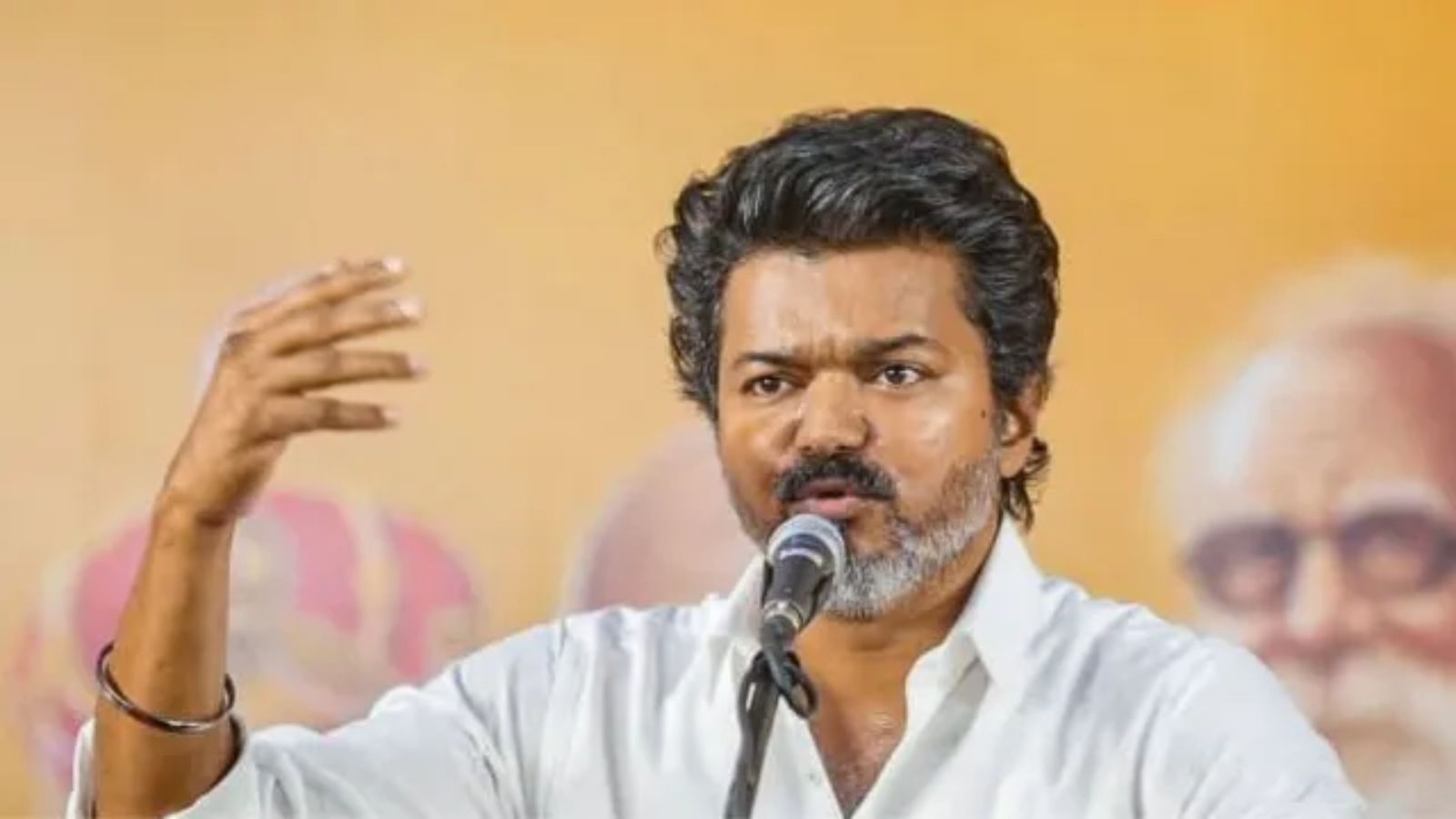
10829929 vijay file photo
- ✓10829929 vijay file photo
- ✓“The 33% reservation for women should be implemented in the 2029 Lok Sabha elections itself, based on the existing 543 constituencies,” Vijay told the Assembly.
- ✓That is why we still have 39.
- ✓The women’s reservation question has become entangled with delimitation since Parliament passed the Nari Shakti Vandan Adhiniyam in 2023.
The Tamil Nadu Assembly Wednesday adopted a resolution urging the Union government to permanently cap the strength of the Lok Sabha at its existing 543 seats, putting the state formally against any expansion of Parliament through a fresh delimitation exercise and linking the dispute to a second unresolved question: the implementation of 33 per cent reservation for women.
The resolution, moved by Chief Minister C Joseph Vijay after a nearly two-hour debate, called for the women’s quota to be implemented from the 2029 Lok Sabha elections and in elections to state legislatures, without waiting for a delimitation that could alter the distribution of parliamentary representation among states.
“The 33% reservation for women should be implemented in the 2029 Lok Sabha elections itself, based on the existing 543 constituencies,” Vijay told the Assembly. “The 33% reservation for women should not be delayed any further.” Vijay said women had outnumbered men among voters in Tamil Nadu and framed political representation as an issue of social justice.
“Providing reservation for women is not a concession; it is a matter of social justice,” he said. The resolution placed four broad demands before the Union government: permanently retain the Lok Sabha’s strength at 543; freeze the allocation of seats among states at their existing proportions; maintain the 2.2:1 ratio between the Lok Sabha and Rajya Sabha; and implement the 33 per cent women’s reservation in 2029 based on the existing 543 constituencies.
The government argued that states that successfully implemented population-control programmes should not suffer a reduction in their relative political representation as a consequence of delimitation. The resolution noted that constituencies had not been delimited on the lines of a fresh population count for more than five decades and referred to the next census scheduled for 2026.
The question of how representation should be redistributed after such an exercise has become particularly sensitive in Tamil Nadu and other southern states, where concerns centre on whether states with slower population growth could lose relative influence in Parliament.
The Assembly resolution follows a meeting convened by Vijay on August 8 with Tamil Nadu MPs belonging to parties supporting his government, including the Congress and the Left parties, which decided to oppose the Union government’s proposed delimitation exercise in its entirety.
That meeting demanded that the ratio between Lok Sabha and Rajya Sabha seats remain at 2.2:1 and agreed that the Assembly should adopt a resolution intended to permanently protect the representation of Tamil Nadu and other southern states.
But the meeting itself exposed the political divisions surrounding Vijay’s initiative. Both the Dravida Munnetra Kazhagam, the principal Opposition party, and the AIADMK stayed away. The DMK described the exercise as a “farce,” while the AIADMK called it a “hurriedly staged drama,” arguing that no fresh delimitation Bill had been introduced in Parliament and there had been no official announcement of such an exercise.
On Wednesday, however, the DMK supported the Assembly resolution. DMK spokesperson T K S Elangovan said Vijay’s position was essentially consistent with one his party had advocated earlier. He recalled that freezing the allocation of seats had protected Tamil Nadu’s representation during the previous delimitation.
“What happened last time, they had pegged the number of seats in each state to the existing number. That is why we still have 39. Otherwise, we would have lost seats even during the last delimitation,” Elangovan said. “What we said, he is following,” he added, suggesting that Vijay’s resolution followed the logic of the DMK’s earlier position.
The CPI and CPI(M), which are friendly parties of the ruling TVK, also supported the resolution. AIADMK chief and former Chief Minister Edappadi K Palaniswami said his party supported only the provision seeking reservation for women.
The PMK, an NDA ally, opposed the resolution and demanded its withdrawal, while the BJP’s lone Assembly member, Bhojarajan, defended the Centre’s approach to delimitation as one concerned with the welfare of future generations.
The women’s reservation question has become entangled with delimitation since Parliament passed the Nari Shakti Vandan Adhiniyam in 2023. The Congress and other opposition parties have supported reserving 33 per cent of seats for women but opposed making its implementation dependent on a fresh delimitation, demanding that the two processes be separated.
An attempt to move that process forward failed earlier this year. The Constitution (131st Amendment) Bill, 2026, introduced in the Lok Sabha on April 16, proposed increasing the strength of the House to 850 seats while expediting implementation of women’s reservation.
It fell the following day after failing to secure the constitutionally required two-thirds majority of members present and voting.
- •Aspirants and citizens are advised to monitor official notices and circulars issued by Tamil Nadu State Bureau (Chennai).
- •Verify all prescribed eligibility criteria, cutoff dates, and authenticated document requirements prior to formal submissions.
- •Track connected examination timetables, vacancy advisories, and administrative gazettes on SuchnaSetu.
| Issuing Authority | Tamil Nadu State Bureau (Chennai) |
|---|---|
| Topic Category | STATES |
| Jurisdiction | TN State |
| Publication Date | 12 August 2026 |