
How Madhepura loco factory became a training ground for 30% of Alstom’s global engineering
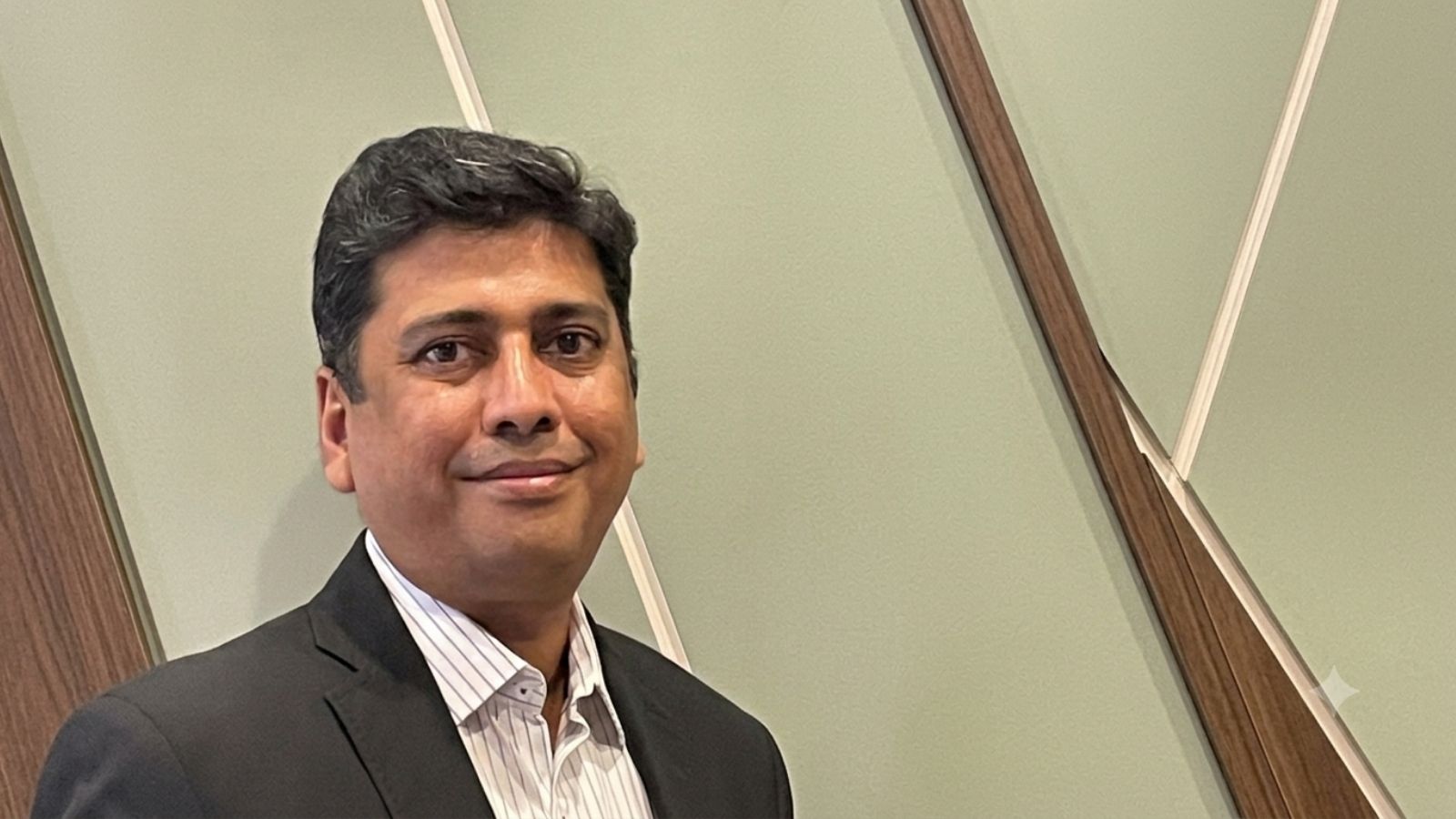
10856332 Vivek Garg
- ✓10856332 Vivek Garg
- ✓MELPL manufactures India’s most powerful 12,000-horsepower locomotives, which run on dedicated freight corridors and can haul loads of up to 6,000 tonnes.
- ✓The company is a joint venture between Indian Railways and French major Alstom, with Alstom holding a 74% stake.
- ✓It supplied its 650th locomotive to the Railways on August 15.
The locomotive factory in Bihar’s Madhepura has created a large pool of engineers, contributing to 30% of Alstom’s global engineering work now being done in India, according to Vivek Garg, Managing Director of Madhepura Electric Locomotive Private Limited (MELPL).
MELPL manufactures India’s most powerful 12,000-horsepower locomotives, which run on dedicated freight corridors and can haul loads of up to 6,000 tonnes. The company is a joint venture between Indian Railways and French major Alstom, with Alstom holding a 74% stake.
It supplied its 650th locomotive to the Railways on August 15. In an interview with The Indian Express’ Dheeraj Mishra, Garg also discussed Make in India manufacturing, global practices, the new suppliers it has brought into the ecosystem and future plans for the project, one of the largest foreign direct investments (FDI) in India’s railway sector.
There has been a massive change. Our centres of competence are based across Europe. Initially, the locomotives were designed there, and some of the first locomotives also had key components manufactured there, while assembly was done in India, as permitted under the contract.
We then quickly transferred the technology and manufacturing capabilities to India. Today, we manufacture the motors here, propulsion systems at our Coimbatore facility, and locomotive shells (car bodies) at our manufacturing facility in Kolkata.
When we entered into the joint venture in 2015, there was no formal Make in India policy. Even then, we made it a point to localise production and build the entire ecosystem in India. Today, we have more than 90% localisation across all components.
We have also brought more than 30 established suppliers into the railway manufacturing ecosystem. There are still a few components that we import, such as wheels and axles, because there is currently no supplier in India for this particular design and specification.
At present, these components are sourced from China and Ukraine. The existing contract is for 800 locomotives, with the contract period running until March 2028. We have supplied 650 locomotives so far, and the remaining 150 will be delivered by March 2028.
The contract also gives Indian Railways an option to order an additional 200 locomotives. We are in discussions with Indian Railways on how we can maintain continuity of production at Madhepura. We are hopeful that something will come out of these discussions.
We are exploring every possible way of maintaining continuity. We have this land lease for 35 years. The entire investment and the facility you saw will remain in place. It therefore makes sense to continue utilising the facility for manufacturing.
We are discussing this with Indian Railways. Today, more than 30% of Alstom’s engineering work globally is done in India, and the confidence and capabilities developed through the Madhepura project have been an important part of that journey.
We have created a large pool of engineers in India who are now contributing to the design of locomotives as well as urban trains for global projects. We are also changing the locomotive maintenance system. Traditionally, it was largely schedule-based — the locomotive had to return to the depot at fixed intervals.
However, our teams at Saharanpur, Nagpur and Sabarmati use condition-based monitoring to assess the actual health of the equipment and determine what maintenance is required. On top of this, digital tools help with predictive maintenance.
With the help of these tools and by skilling workers, we have been able to cut down our maintenance time by almost 20% and material requirements by close to 15%, which is a huge efficiency gain. Apart from this, in FY24, MELPL’s GST contribution was equivalent to 1% of Bihar’s total GST collection.
We are not really specialists when it comes to operations. But we can contribute from the product design and manufacturing point of view. For example, the Railways has a vision of reaching a 45% market share in five years and increasing freight haulage from around 1,600 million tonnes to 3,000 million tonnes.
To achieve that, the Railways need heavy-haul locomotives that can haul long trains and heavy loads at higher speeds.
- •Aspirants and citizens are advised to monitor official notices and circulars issued by Indian Express Economy & Markets.
- •Verify all prescribed eligibility criteria, cutoff dates, and authenticated document requirements prior to formal submissions.
- •Track connected examination timetables, vacancy advisories, and administrative gazettes on SuchnaSetu.
| Issuing Authority | Indian Express Economy & Markets |
|---|---|
| Topic Category | BUSINESS |
| Jurisdiction | All India / National |
| Publication Date | 31 August 2026 |