
India’s Russian oil imports fall 26% in August amid supply pressure, Chinese competition
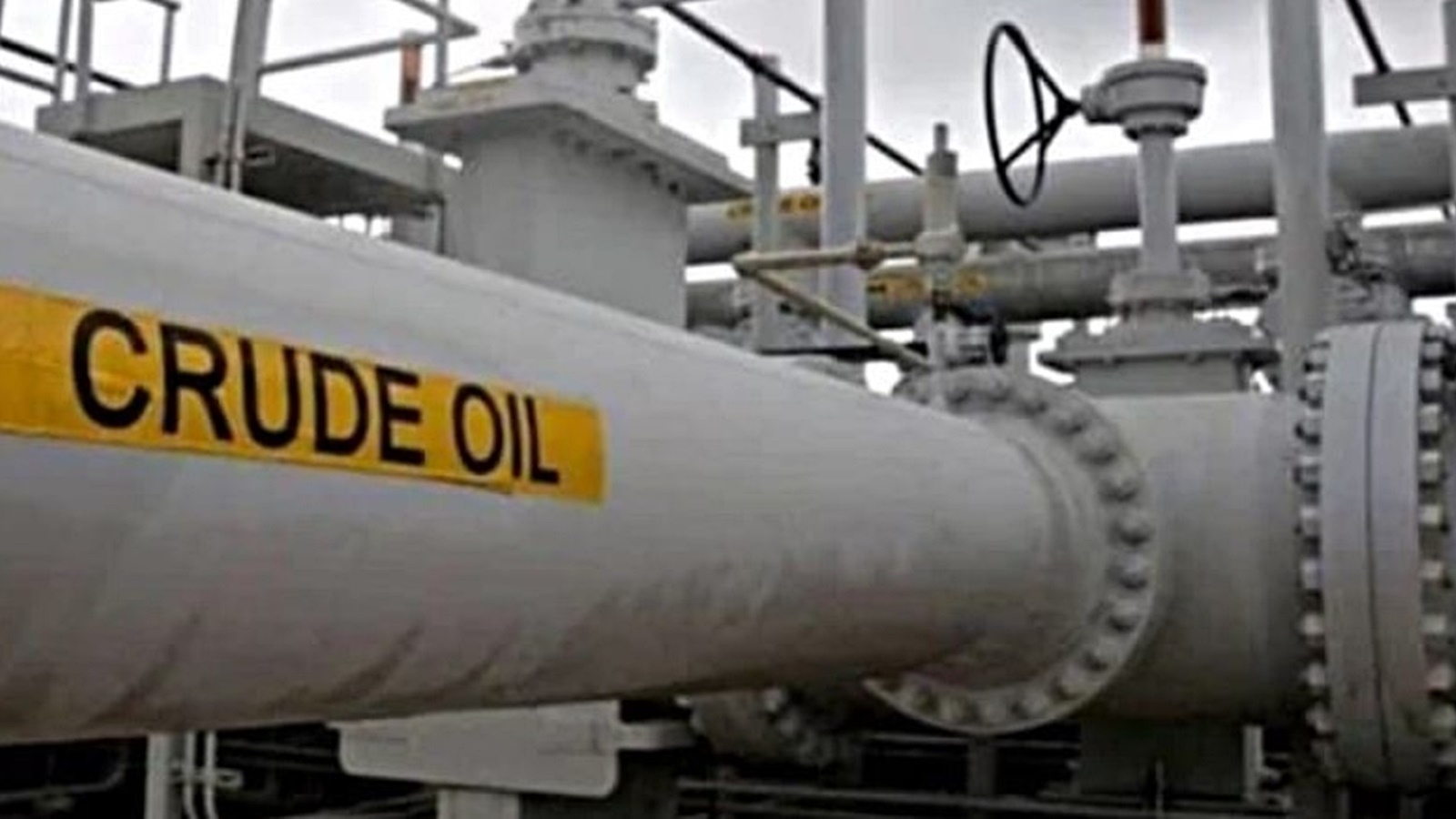
10859672 crude oil imports
- ✓10859672 crude oil imports
- ✓The fall in Russian volumes was the primary reason for the over 8% decline in India’s overall oil imports in August.
- ✓Notably, though, oil imports from Venezuela touched their highest monthly levels since 2020.
- ✓Moscow’s share in New Delhi’s crude diet declined to 45% in August from 55.9% in July.
India’s oil imports from Russia in August declined 26% from their historic highs in the previous month amid tighter Russian export availability as well as stronger competition from Chinese refiners, according to provisional tanker data. Maintenance shutdowns at a few Indian refineries also likely contributed to lower crude intake.
The fall in Russian volumes was the primary reason for the over 8% decline in India’s overall oil imports in August. Notably, though, oil imports from Venezuela touched their highest monthly levels since 2020. With the US allowing Caracas’s oil to flow into the global market, India restarted imports of Venezuelan oil a few months ago after nearly a year of zero imports.
Moscow’s share in New Delhi’s crude diet declined to 45% in August from 55.9% in July. According to Kpler, the shift points to market normalisation rather than a structural retreat from Russian crude, with flows expected to stabilise at 2.0 to 2.5 million bpd in the foreseeable future, which suggests that Russian oil is likely to remain the mainstay of India’s oil imports.
“Russia is exporting less crude both to India and overall, just as China is competing more aggressively for available cargoes. The question for the coming months is therefore whether August represents a temporary retreat or the start of a period in which Russian barrels become scarcer, costlier and harder for Indian refiners to secure,” said Abu Dhabi-based energy analyst Natalia Katona.
Ukrainian attacks on Russia’s oil and gas infrastructure is a key reason for the pressure on Russian oil exports. Attacks on export infrastructure in the Black Sea have become a tangible threat to navigation of energy tankers in the region. Freight economics are incentivising avoiding the Black Sea routes altogether, according to Katona.
For instance, moving a Suezmax tanker from the Black Sea port of Novorossiysk to India’s west coast now costs about $20 million, or roughly $20 per barrel, compared with about $13 per barrel if the tanker starts from the Baltic Sea ports. But dispatches from the Baltic Sea ports carry their own risks, as Russian tankers sailing around Europe face detention or seizure by European countries.
“That has encouraged greater use of the Northern Sea Route (NSR), for which August and September are the peak traffic months even in a normal year due to the thinnest ice levels. With Black Sea drone threats adding to the pressure, Russian exporters are sending more vessels through the route, logically making China the most cost-competitive destination,” Katona said.
Competition for Russian oil from China has picked up due to a few more factors, which include lower Russian oil exports as Moscow has been trying to maximise domestic refinery production to meet domestic fuel demand amid Ukrainian attacks on its energy infrastructure, and the fall in Iranian oil volumes available to Chinese refiners amid the Strait of Hormuz crisis.
India’s crude import strategy has shifted sharply since March 2026 as Strait of Hormuz disruptions tightened West Asian oil flows and increased freight risks. Russian crude remains the backbone of India’s import slate, while refiners have diversified aggressively towards African, North American, and South American barrels to offset the drop in supplies from the Gulf. Interestingly, oil imports from Venezuela in August jumped 60.2% over July to 350,000 bpd, the Kpler data shows. With the US capturing Venezuela’s then president Nicolás Maduro early January, Trump had said that Washington would take control of Caracas’s oil sector. After that, a few commodity traders were authorised by Washington to sell Venezuelan oil globally, which had been under US sanctions.
About 40% of India’s crude imports usually came through the Strait of Hormuz, and a large part of that supply has effectively been offline.
Import volumes from Iraq — which was India’s second-largest source of crude — have crashed to a fraction of the pre-war supplies. Oil imports from the rest of West Asia have also fallen significantly, although Saudi Arabia and the UAE have been able to export oil to India as they have pipeline infrastructure to bypass the Strait of Hormuz for some of their oil output.
India — specifically private sector refining giant Reliance Industries (RIL) — was a regular buyer of Venezuelan crude prior to the imposition of US sanctions on Caracas in 2019. Following the sanctions, oil imports from Venezuela stopped within a few months. As per India’s official trade data, Caracas was New Delhi’s fifth-largest supplier of oil in 2019, providing close to 16 million tonnes, or about 117 million barrels, of crude to Indian refiners.
Then in October 2023, the US eased sanctions on Venezuela’s petroleum sector, resulting in RIL and a few other Indian refiners restarting Venezuelan oil imports for a six-mont period, after which the American sanctions waiver lapsed. A few months later, RIL was able to restart Venezuelan oil imports after obtaining a sanctions waiver from the US. But in the summer of 2025, the company halted these imports after the Trump administration threatened higher tariffs on countries buying Venezuelan crude.
Sukalp Sharma is a Deputy Associate Editor with The Indian Express and writes on a host of subjects and sectors, notably energy and aviation. He has over 16 years of experience in journalism with a body of work spanning areas like politics, development, equity markets, corporates, trade, and economic policy. He considers himself an above-average photographer, which goes well with his love for travel. ... Read More
- •Aspirants and citizens are advised to monitor official notices and circulars issued by Indian Express Economy & Markets.
- •Verify all prescribed eligibility criteria, cutoff dates, and authenticated document requirements prior to formal submissions.
- •Track connected examination timetables, vacancy advisories, and administrative gazettes on SuchnaSetu.
| Issuing Authority | Indian Express Economy & Markets |
|---|---|
| Topic Category | BUSINESS |
| Jurisdiction | All India / National |
| Publication Date | 2 September 2026 |