
‘Unacceptable’: TN Congress chief hits out at DK Shivakumar over Mekedatu dam remarks
10963029 14-manickam-tagore-dkshivakumar-cauvery
- ✓10963029 14-manickam-tagore-dkshivakumar-cauvery
- ✓Primary Authority: Official communique verified from The Indian Express National.
- ✓Civic Domain: Categorized under politics public notices.
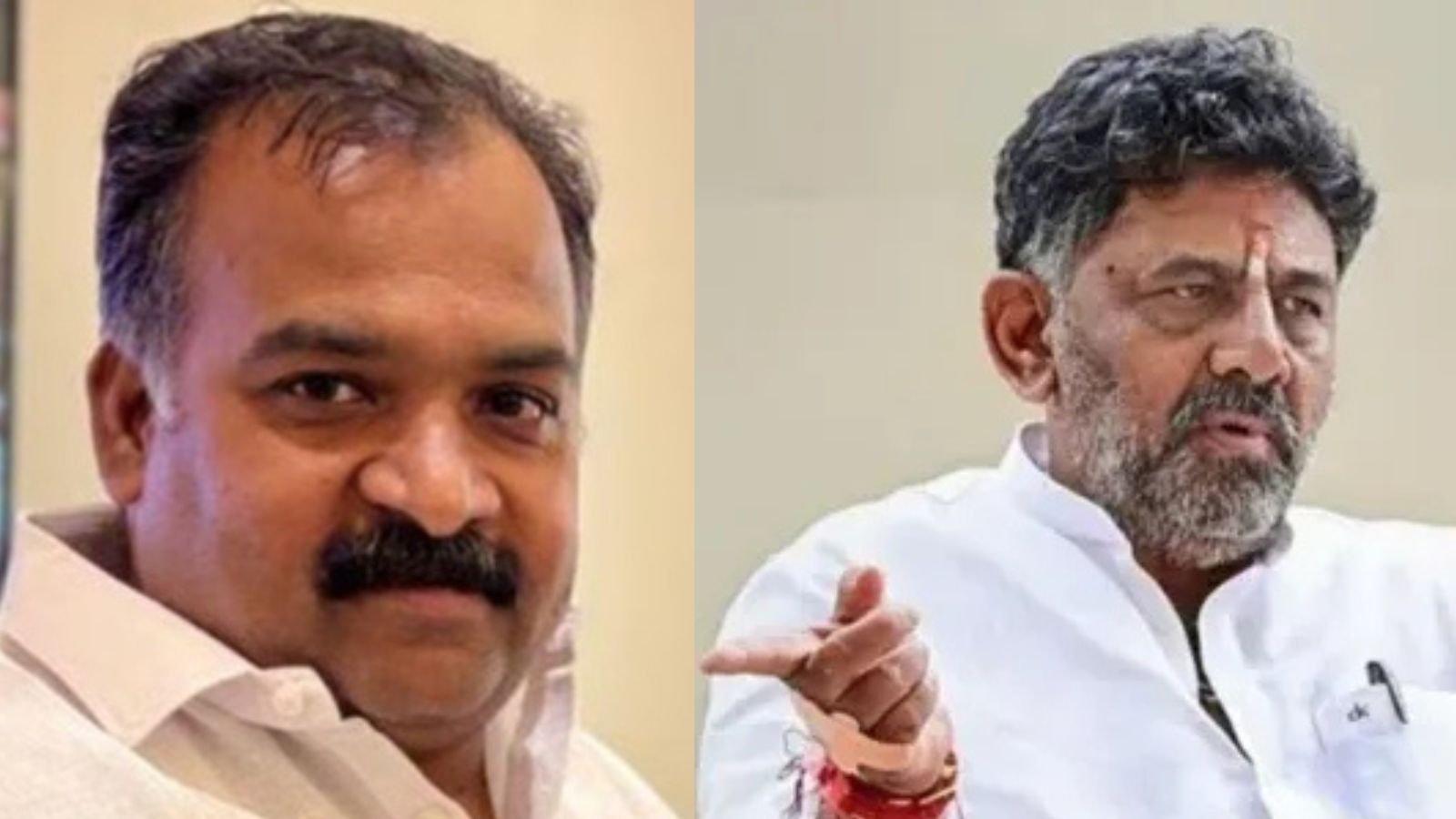
The Congress versus Congress dispute over Cauvery water is out in open as Tamil Nadu Congress president Manickam Tagore on Saturday hit out at Karnataka Chief Minister D K Shivakumar, over the latter’s stance on the issue.
“The Karnataka Chief Minister continues to adopt a stubborn stance that blatantly violates the Supreme Court ruling and the Cauvery Water Disputes Tribunal's final award. This statement, which goes against the principle of federalism and seeks to destroy the livelihoods of Tamil Nadu's farmers, is utterly unacceptable,” said Tagore, who is also the Congress whip in the Lok Sabha.
Referring to Karnataka CM’s statement that "no one can stop the construction of a dam at Mekedatu”, Tagore said that it was “deeply condemnable” that Shivakumar, in the presence of Prime Minister Narendra Modi made the remarks in Mysuru.
He added that since “Tamil Nadu is a lower-riparian state in the Cauvery river water sharing arrangement, Karnataka cannot unilaterally implement any project that affects our rights”. “The central government must not grant any permission to build the Mekedatu dam without the full consent of the lower-riparian states.
Approving the Mekedatu project without Tamil Nadu's consent is not only illegal but will also severely affect the lives of farmers in the delta districts,” said Tagore. “It is the duty of the Modi-led central government to prevent Karnataka from laying even a single brick at Mekedatu,” he added.
On behalf of the Tamil Nadu Congress, Tagore said, “We will never allow this project; we will go to any lengths to fight to protect our state's rights”. “I am going to Thanjavur today; I intend to speak in detail about this matter there… Tamil Nadu will always stand united for Cauvery rights.
Our voice will continue to ring out loudly to protect Tamil Nadu’s interests and our farmers' rights without compromise,” said the Congress leader. Before Tagore, the TVK government led by C Joseph Vijay has also strongly criticised Karnataka CM’s remarks, with Law Minister CTR Nirmal Kumar accusing the Karnataka CM of making controversial statements ahead of every election.
The controversy comes after Shivakumar's appealed to the Central government to help Karnataka obtain the necessary approvals for the proposed balancing reservoir across the Cauvery at Mekedatu. The Mekedatu project has remained a contentious issue between the two southern states, with Tamil Nadu raising concerns over the impact it could have on downstream water availability.
- •Aspirants and citizens are advised to monitor official notices and circulars issued by The Indian Express National.
- •Verify all prescribed eligibility criteria, cutoff dates, and authenticated document requirements prior to formal submissions.
- •Track connected examination timetables, vacancy advisories, and administrative gazettes on SuchnaSetu.
| Issuing Authority | The Indian Express National |
|---|---|
| Topic Category | POLITICS |
| Jurisdiction | All India / National |
| Publication Date | 14 November 2026 |