
UP To Get Over 600 Assembly Seats? Govt Plans To Raise State Assembly Cap To 650
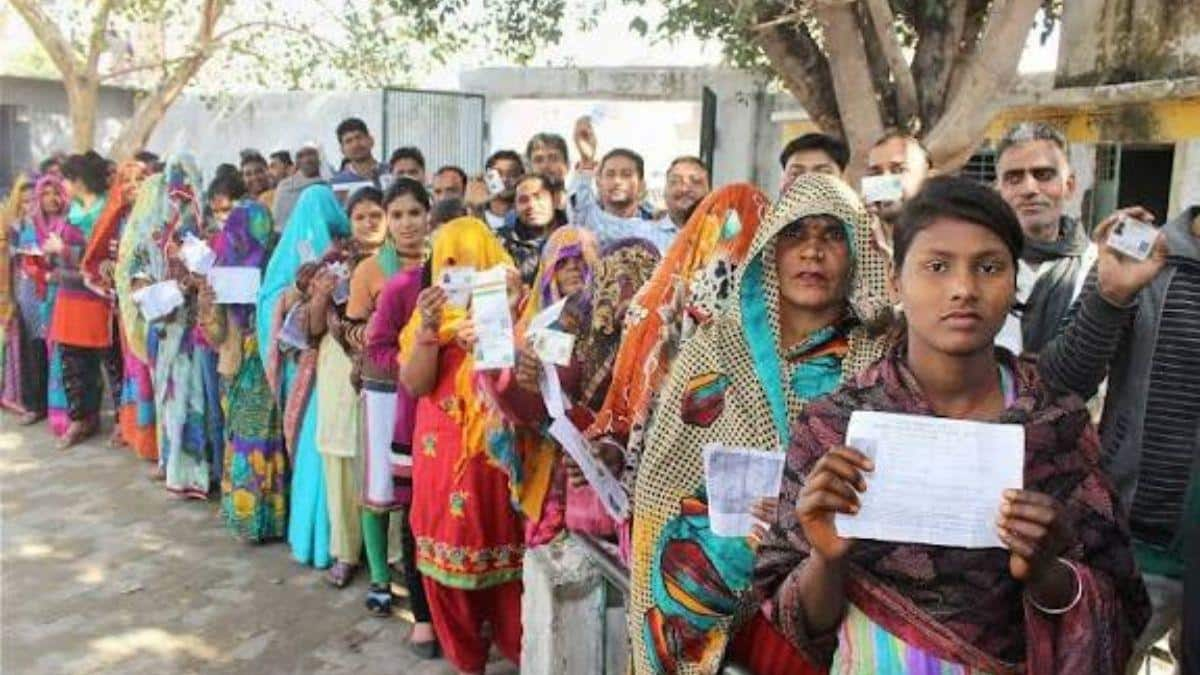
UP To Get Over 600 Assembly Seats? Govt Plans To Raise State Assembly Cap To 650
- ✓UP To Get Over 600 Assembly Seats?
- ✓Article 170 of the Constitution currently stipulates that a state Legislative Assembly cannot have more than 500 members, subject to certain provisions.
- ✓The Constitution (One Hundred and Thirty-second Amendment) Bill, 2026, seeks to raise the maximum strength of a state Assembly to 650 members.
- ✓Uttar Pradesh currently has 403 Assembly seats.
The constitutional ceiling on the number of seats in a state Legislative Assembly is set to increase from 500 to 650 under a proposed Constitution amendment, potentially allowing Uttar Pradesh to expand its Assembly without being bifurcated.
The government is planning a special provision in the proposed amendment to exempt Uttar Pradesh, the country's most populous state, from the existing 500-seat cap, news agency PTI reported, quoting sources. Article 170 of the Constitution currently stipulates that a state Legislative Assembly cannot have more than 500 members, subject to certain provisions.
The Constitution (One Hundred and Thirty-second Amendment) Bill, 2026, seeks to raise the maximum strength of a state Assembly to 650 members. Uttar Pradesh currently has 403 Assembly seats. Under the proposed delimitation exercise, the number is expected to increase by 50%, taking the Assembly's strength to more than 600.
Sources told PTI that the government does not want Uttar Pradesh to be divided under any circumstances. It is therefore planning a special provision that would allow the state to have an Assembly with more than 500 constituencies.
The proposed change would enable Uttar Pradesh to accommodate the expected increase in Assembly seats while remaining within a single state structure. The proposed Constitution amendment also seeks to increase the maximum strength of the Lok Sabha to 850 members.
This would include up to 815 elected representatives from states and 35 from Union territories. The government is expected to introduce three bills during the special sitting of Parliament beginning November 30. Two of these will be Constitution amendment bills aimed at implementing 33% reservation for women in the Lok Sabha and state Legislative Assemblies before the 2029 parliamentary elections.
The third bill will provide for a 50% increase in the number of seats in each state. The proposed Constitution amendment aims to increase the maximum strength of a state Legislative Assembly from 500 to 650 members. This is part of the Constitution (One Hundred and Thirty-second Amendment) Bill, 2026.
A special provision is planned to exempt Uttar Pradesh from the 500-seat cap. This allows its Assembly to grow to over 600 seats after delimitation, avoiding bifurcation. The proposed amendment will increase the Lok Sabha's maximum strength to 850 members.
This includes 815 representatives from states and 35 from Union territories. Three bills are expected during Parliament's special sitting. They cover women's reservation, raising Assembly seat limits, and implementing a 50% seat increase in states.
Sagarika Chakraborty is a Senior Copy Editor at ABP Live English, where she handles business coverage and key developments in general news, while also actively chasing breaking stories. With a foundation in advertising, she transitioned into journalism to craft in-depth stories and explainers on the economy, real estate, and personal finance.
She also engages in interviews and podcasts, bringing out expert insights. For any tips and queries, you can reach out to her at sagarikac@abpnetwork.com.
- •Aspirants and citizens are advised to monitor official notices and circulars issued by ABP News.
- •Verify all prescribed eligibility criteria, cutoff dates, and authenticated document requirements prior to formal submissions.
- •Track connected examination timetables, vacancy advisories, and administrative gazettes on SuchnaSetu.
| Issuing Authority | ABP News |
|---|---|
| Topic Category | POLITICS |
| Jurisdiction | All India / National |
| Publication Date | 27 November 2026 |