
US curbs on Chinese cotton fuel domestic price rise, industry seeks regulation
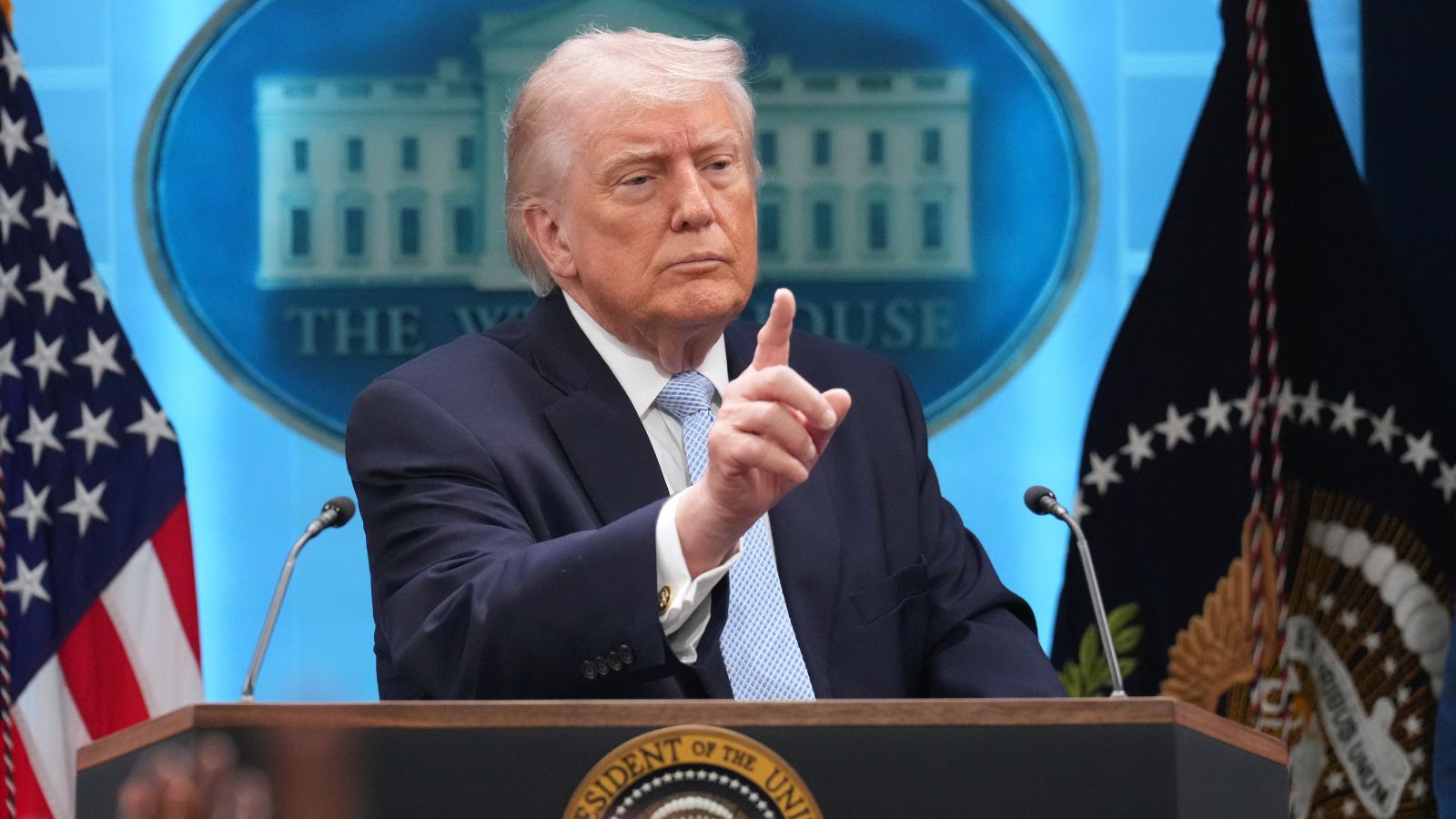
10855253 Donald Trump
- ✓10855253 Donald Trump
- ✓The price pressure also comes as China is the world’s largest cotton producer, accounting for 29% of global production.
- ✓While India produces 23.8 million bales annually, its area under harvest is among the largest at 11.2 million hectares.
- ✓US Section 301 tariffs were also part of the Trump administration’s attempt to force countries to diversify supply chains.
Indian apparel exporters have approached the Commerce and Industry Ministry and the Textile Ministry seeking regulation of cotton yarn exports to arrest a sharp surge in prices amid US restrictions on the use of cotton originating from China’s Uyghur region, where Washington alleges the use of forced labour.
The price pressure also comes as China is the world’s largest cotton producer, accounting for 29% of global production. India is the second-largest producer. The Apparel Export Promotion Council (AEPC) said cotton yarn prices have increased by around 60%, from approximately Rs 250 per kg in early 2026 to around Rs 400 per kg currently, putting increasing pressure on the apparel manufacturing value chain.
In a letter to the ministries, the council sought measures “to regulate the export of cotton yarn, specifically 20s count (a medium-thickness thread) and above”, and to stabilise prices so that cotton yarn remains available to apparel manufacturing and exporting units at competitive rates.
The export promotion council also flagged limited stock availability with ginners and reduced arrivals, which have “compelled mills to rely more heavily on auctions conducted by Cotton Corporation of India (CCI)”. Much of the cotton has already moved out of farmers’ hands and is currently held by traders, leading to hoarding and speculative practices in the market, AEPC told the government.
AEPC said the increase in exports of Indian cotton and cotton yarn to apparel-producing countries is coming from major apparel and textile manufacturers such as Bangladesh and Vietnam, following US restrictions on the use of Chinese cotton under the Uyghur Forced Labour Prevention Act (UFLPA).
“Forced labour restrictions against Uyghur cotton have been in place for quite some time, but countries of late have become more cautious due to US regulations and increasing emphasis on supply chain traceability. This is resulting in higher demand for cotton yarn from India, which has already been in short supply.
There are reports of hoarding of cotton & speculative practices in the market as well. All these factors are driving cotton yarn prices northwards. There is thus a need to address the issue of spiralling up cotton yarn prices at the soonest possible.” Mithileshwar Thakur, Secretary General of AEPC, told The Indian Express.
However, Indian cotton productivity is among the lowest globally, adding to the pricing pressure. While India produces 23.8 million bales annually, its area under harvest is among the largest at 11.2 million hectares. Other top cotton producers, such as China, Brazil and the US, have less than 3.2 million hectares under harvest, according to figures released by the United States Department of Agriculture.
Experts have also said cotton is part of a wider US effort to pressure the Chinese supply chain by encouraging trade partners to shift away from China. US authorities consider several products, including cotton, textiles, solar-panel polysilicon, seafood, metals, batteries and electronics, vulnerable to forced-labour risks, particularly when linked to China’s Xinjiang region.
US Section 301 tariffs were also part of the Trump administration’s attempt to force countries to diversify supply chains. Before the US imposed forced-labour-related tariffs on countries globally, several countries, including India, had banned the import of goods produced using forced labour.
The Directorate General of Foreign Trade (DGFT), in an order dated July 13, had inserted a new paragraph in the Foreign Trade Policy (FTP) regarding “forced labour”, stating that the import of goods produced or manufactured, “wholly or in part”, through the use of forced labour is “prohibited”.
The White House, in a report earlier this month, had said more than 40 countries, including India, are part of a ‘shadow transhipment network’ designed to hide the true economic origin of goods produced in China. The report claimed that tariff revenue is the most obvious loss from illegal transhipment and that when China-linked goods enter the US through third countries, they widen the effective trade deficit.
Ravi Dutta Mishra is a Principal Correspondent with The Indian Express, specializing in economic policy and financial regulations. With over five years of experience in business journalism, he provides critical coverage of the frameworks that govern India's commercial landscape.
Expertise & Focus Areas: Mishra’s reporting concentrates on the intersection of government policy and market operations. His core beats include: Trade & Commerce: Analysis of India's import-export trends, trade agreements, and commercial policies.
Banking & Finance: Covering regulatory changes and policy decisions affecting the banking sector. Professional Experience: Prior to joining The Indian Express, Mishra built a robust portfolio working with some of India's leading financial news organizations.
His background includes tenures at: Mint CNBC-TV18 This diverse experience across both print and broadcast media has equipped him with a holistic understanding of financial storytelling and news cycles. Find all stories by Ravi Dutta Mishra here ...
Read More
- •Aspirants and citizens are advised to monitor official notices and circulars issued by Indian Express Economy & Markets.
- •Verify all prescribed eligibility criteria, cutoff dates, and authenticated document requirements prior to formal submissions.
- •Track connected examination timetables, vacancy advisories, and administrative gazettes on SuchnaSetu.
| Issuing Authority | Indian Express Economy & Markets |
|---|---|
| Topic Category | BUSINESS |
| Jurisdiction | All India / National |
| Publication Date | 30 August 2026 |