
Why a Mumbai Metro line is waiting for one man in a crumbling building to move
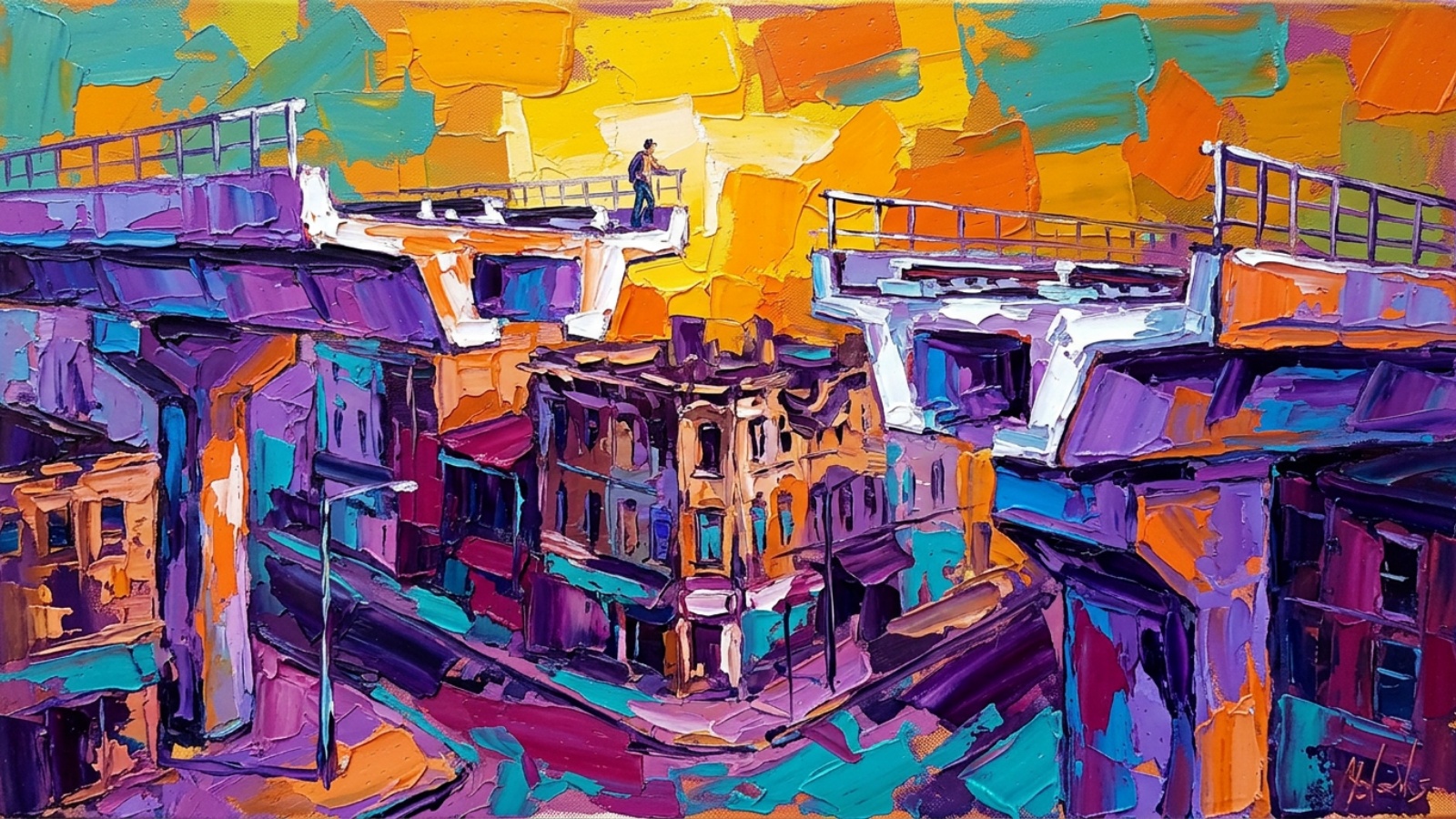
10963441 Lead artwork Image
- ✓10963441 Lead artwork Image
- ✓Mumbai is building Metro Line 2B, a 23.643-kilometre elevated corridor across its suburbs at a cost of Rs 10,986 crore.
- ✓On the 8-kilometre stretch due to open next — between Andheri and Khar, the tracks are laid on every inch, except 185 metres.
- ✓The buildings, three to four storeys tall, were built in 1980 and have 40 members.
At Juhu Circle, one of the busiest junctions in Mumbai’s western suburbs, two crumbling apartment blocks stand almost empty. The residents moved out over the years as the buildings grew dangerous. One man remains. In his mid-fifties, he has lived here since childhood.
The building he calls home is the last thing standing in the way of a Metro line. Mumbai is building Metro Line 2B, a 23.643-kilometre elevated corridor across its suburbs at a cost of Rs 10,986 crore. On the 8-kilometre stretch due to open next — between Andheri and Khar, the tracks are laid on every inch, except 185 metres.
That missing piece of the elevated track has to pass over the plot where the man lives. Because of the gap, tracks cannot be laid along the full stretch. Until that is done, the MMRDA cannot put up the overhead electric poles, power the line or begin trial runs.
The stretch has been held up for at least eight months, and commuters in Vile Parle, Santacruz and Khar are still waiting for the Metro to reach them. The story of the gap is the story of competing claims on air space in a crowded city, where a housing society’s plan to rebuild, a Metro line and an airport’s height restrictions all met on one plot.
The two buildings belong to the Juhu Gulmohar Cooperative Housing Society. It has a prime address, at Juhu Circle and a short walk from Juhu beach, in an area where house prices have boomed. The buildings, three to four storeys tall, were built in 1980 and have 40 members.
In 2011, the society began preparing to tear down its old buildings and put up new ones, a process Mumbai calls redevelopment. Later that year it appointed a builder, Bhoomi Realtors. The society stands on land leased from MHADA, the state housing authority, so a long round of approvals followed.
This also included clearance from the MMRDA, the state agency building the Metro. At that point, the Metro’s planned route passed along the periphery of the society’s buildings, old and proposed, without touching either.
But along the way, as the Metro line shifted from overground to underground to overground again, the MMRDA communicated the final change in alignment. Under the revised plan approved in 2015, the elevated track would pass so close to the buildings that one of them would have to be demolished, with the structure skimming its corner in the “safety zone”, too close for comfort.
The society said the new route would cut its 2,345 square metre plot into two, costing 842 sqm — more than a third of the area. The MMRDA puts the area needed at around 400 square metres. Either way, the route ran straight through the society’s plan to rebuild, and MMRDA’s clearance no longer held.
In 2018, the society went to the Bombay High Court, arguing the change was “illegal and unlawful”. The court noted, “The main grievance of the petitioners is that the very change in alignment in the Metro line is unjustified, such a decision should be set aside, and the NOC granted previously should be protected.” The NOC is the clearance the MMRDA had given.
Several members of the society declined to comment for this story. The Indian Express could not reach the last resident despite repeated attempts. The new route left the society with less land to build on. Elsewhere in the city, a society can get around that by redrawing the plan, shifting the building and building taller.
That option is not available here. “If the housing society was located elsewhere, it could have considered tweaking its building plan, shifting its building and going taller to accommodate the space they’d have to work around,” said an official from the MMRDA’s land cell, who is now overseeing the matter and did not wish to be identified.
“But Juhu Gulmohar Housing Society falls in Juhu, near the airport, and so the area has height restrictions. That option was not available to them.” The Metro agency was stuck too. It could take the land it needed through compulsory acquisition, where the government takes over land and pays for it.
But the High Court noted that this would cost the public authority more, take years and delay Line 2B. Neither side had a good option. A resident of the Juhu Gulmohar CHS, who did not wish to be named, claimed the idea came from them.
“The Juhu Vile Parle Development (JVPD) Scheme consists of many MHADA plots, so we floated the idea of a land swap to officials,” he said, sitting in the society’s office where an old poster of a rendition of the redevelopment plans stood.
“Officials, both from the MMRDA and MHADA, were very receptive to the idea.” MHADA offered the society another plot of similar size in the same area: part of the Tilak Udyan, a garden barely 650 metres away. The society would give up its land and rebuild on the garden, clear of the Metro.
Its old plot would become the garden, with the Metro passing overhead. Tilak Udyan was reserved as a recreation ground and playground and the society’s plot for housing, so the city’s municipal corporation, the BMC, would switch the two.
The swap was meant to be “an amicable solution in larger public interest,” noted the HC. It let the Metro pass without the MMRDA having to spend money or years on acquiring land. The society could still rebuild, and the area would keep an open space of the same size.
But the deal fell apart twice before it was finally sealed. The first attempt collapsed over money. A society that rebuilds on MHADA land has to pay the housing authority a fee, called a premium, for its approval. The society had got that approval for its old plot in 2015.
For the new plot, MHADA was seeking a premium at a higher rate. The society wanted the Metro agency to bear the entire increase. The MMRDA said it would pay only Rs 2 crore, when the society would need more than Rs 50 crore, according to court documents.
- •Aspirants and citizens are advised to monitor official notices and circulars issued by Maharashtra State Bureau (Mumbai).
- •Verify all prescribed eligibility criteria, cutoff dates, and authenticated document requirements prior to formal submissions.
- •Track connected examination timetables, vacancy advisories, and administrative gazettes on SuchnaSetu.
| Issuing Authority | Maharashtra State Bureau (Mumbai) |
|---|---|
| Topic Category | STATES |
| Jurisdiction | MH State |
| Publication Date | 15 November 2026 |